
 Available in GB
Content
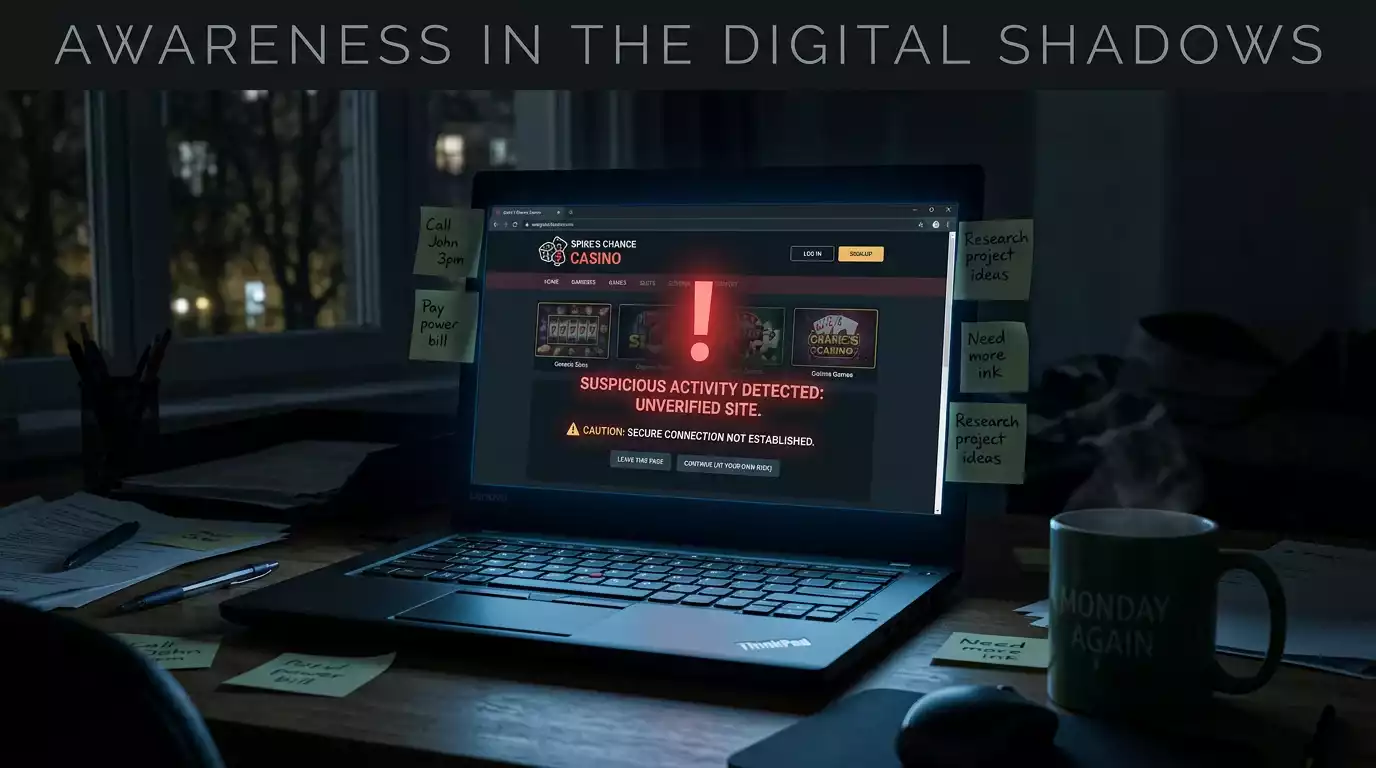
Three years ago, I could spot a fraudulent casino site in under thirty seconds. The layout was sloppy, the English was broken, and the “licence” link at the bottom pointed to a dead page. Those days are gone. In Q1 2025 alone, cybersecurity firms flagged 782 malicious casino websites — and the best of them looked indistinguishable from legitimate operations. Polished design, functional customer support chat widgets, even fabricated review sections with five-star ratings baked right in.
The problem runs deeper than aesthetics. Industry analysts (IBISWorld, Statista) place the global casinos and online gambling sector at 5,000–8,000 businesses depending on definition, with unlicensed and fraudulent sites constituting a significant proportion that regulators continue to target. The operators behind these sites have learned from their failures. They study what real casinos look like, replicate it, and deploy at scale. If you are relying on gut feeling to decide whether a site is trustworthy, you are already behind.
This guide exists because checklists work better than instinct. I have spent eight years verifying operator licences and dissecting terms and conditions, and I still run through a systematic process every time I encounter a new site. What follows are the twelve red flags I check, grouped into four categories. None of them require specialist software. All of them require attention.
The full assessment is in our Rouge Casino review.
Red Flag 1-3: Licence Verification Failures
Last year, I pulled up a site that displayed a Curaçao Gaming Authority logo, a licence number, and even a clickable “verification seal” in the footer. The seal linked to the CGA’s actual website. Impressive — except the licence number belonged to a completely different operator. The CGA itself has issued public warnings about exactly this tactic, noting that certain websites falsely present themselves as licensed and unlawfully use the CGA’s Digital Authorization Seal to mislead the public.
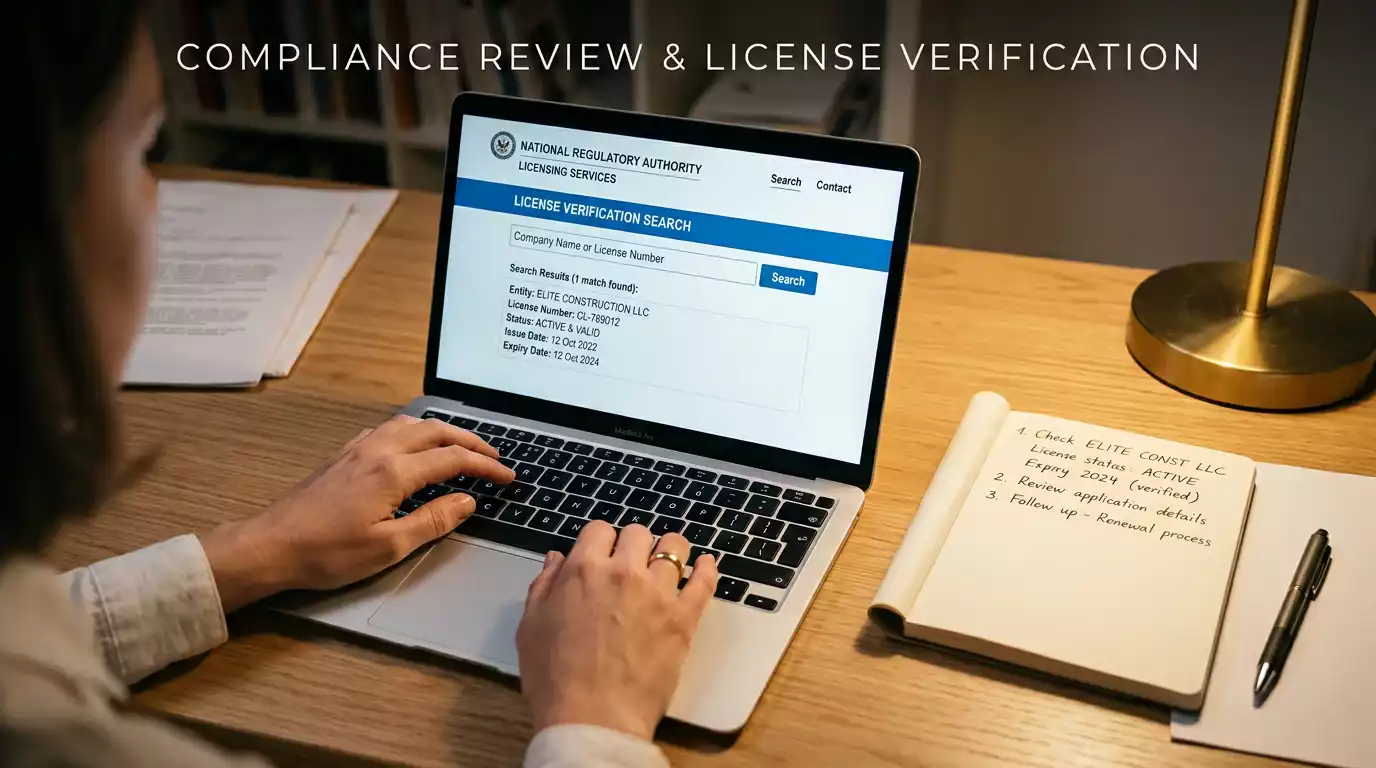
That brings us to the first red flag: a licence number you cannot independently verify. Every legitimate regulator — the UKGC, MGA, CGA — maintains a public register. If the site claims a licence, go to the regulator’s website directly (not through any link the casino provides) and search the register. If the number is missing, expired, or assigned to a different entity, you have your answer.
The second red flag is claiming the wrong regulator entirely. I have reviewed sites that state “licensed by the Malta Gaming Authority” when their actual permit, if one exists at all, comes from Curaçao. The two are not interchangeable. 43% of fraudulent online casinos display fake licensing information — and the most common version is simply naming a more reputable regulator than the one they actually hold. Cross-referencing takes sixty seconds and can save you thousands of pounds.
The third red flag is the absence of any licence claim whatsoever. Some operators skip the pretence entirely and operate with no regulatory mention on their site. Paradoxically, this is the easiest scenario to handle: if a casino does not tell you who regulates it, nobody does. Walk away. A legitimate operator has every incentive to display its credentials prominently, because licensing is expensive and confers trust. Silence on this point is not humility — it is concealment.
Red Flag 4-6: Game Integrity Warning Signs
A colleague once asked me to look at a site where the slot games “felt off.” That is not a technical term, obviously, but she was right. The games carried the branding of a well-known provider, yet the paytables did not match the official specifications, and the reported RTP was suspiciously high — designed to lure players in. 39% of unlicensed casinos use manipulated games with RTP significantly lower than what they advertise. The displayed number pulls you in; the actual maths drains your bankroll faster than expected.

Red flag four: game providers you cannot verify. Every major software developer — Pragmatic Play, Evolution, NetEnt — publishes a list of licensed operators on their website or provides verification on request. If a casino claims to host games from a specific provider, check the provider’s site. If the casino is not listed, those games are likely pirated copies running on altered software.
Red flag five: no visible RTP or payout information. UKGC-licensed operators are required to make RTP data accessible to players. Offshore sites have no such obligation, and many exploit this gap. If a casino offers hundreds of slots but publishes zero information about return-to-player percentages, that opacity is deliberate. You cannot verify what you cannot see.
Red flag six: games that only appear on that specific site. Legitimate software providers distribute their titles across dozens or hundreds of licensed operators. A “proprietary” slot from an unknown developer, exclusive to one offshore casino, has no independent audit trail. No third-party testing lab has certified the random number generator. No regulator has reviewed the maths. You are trusting the operator’s word — and the operator has a financial incentive to tilt the odds further in its favour.
Red Flag 7-9: Payment and Withdrawal Traps
I once tracked a player complaint where a deposit of £200 went through in eleven seconds, but the £850 withdrawal request sat “pending” for six weeks before the account was locked entirely. That asymmetry — instant deposits, glacial withdrawals — is red flag seven. Legitimate operators process withdrawals within stated timeframes, typically 24-72 hours for e-wallets and 3-5 business days for bank transfers. If the site provides no clear withdrawal timeline, or if player reports consistently describe weeks of delay, the operator is either underfunded or deliberately stalling.

Red flag eight: withdrawal limits that make large payouts functionally impossible. Some sites cap withdrawals at £500 per week or £2,000 per month — regardless of how much you have won. A £10,000 jackpot becomes a five-month drip-feed, during which the operator might freeze your account, demand additional verification, or simply disappear. Before depositing anywhere, find the withdrawal policy page. If the limits are buried in a 40-page terms document, that is not accidental.
Red flag nine: crypto-only deposits with no fiat option. Cryptocurrency transactions are irreversible. There is no chargeback mechanism, no bank to dispute through, no payment processor to contact. Some fraudulent operations exclusively accept crypto precisely because it eliminates the player’s primary recourse. This does not mean every crypto casino is fraudulent — but if crypto is the only deposit method and the operator holds no recognisable licence, those two facts compound each other dangerously.
Step one of every check: verifying the licence.
Red Flag 10-12: Website and Operator Transparency
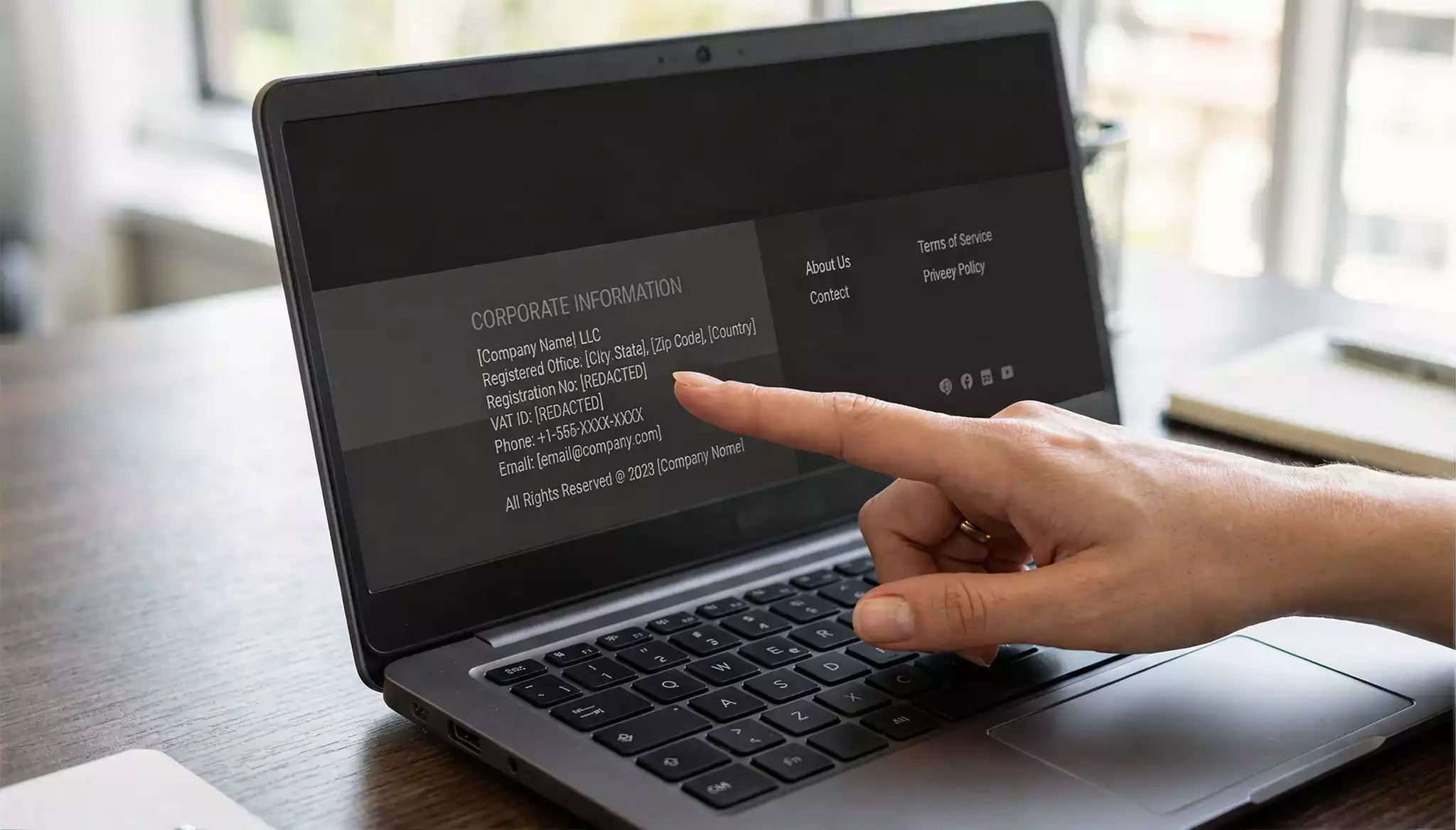
The simplest test I run takes five seconds: scroll to the footer and look for a registered company name, address, and jurisdiction. Red flag ten is the absence of this basic corporate information. Legitimate operators are legal entities registered somewhere — and they disclose this because their licence requires it. A site that hides behind a brand name with no corporate identity attached is a site that does not want to be found when things go wrong.
Red flag eleven: terms and conditions that contradict the marketing. I have read bonus pages promising “400% match, no strings attached” where the actual terms included 60x wagering, a maximum bet of £3 during wagering, and a withdrawal cap of 5x the bonus amount. The gap between advertisement and contractual reality is not a grey area — it is a measured indicator of operator intent. If the marketing makes promises the terms explicitly revoke, the operator is relying on the fact that most players do not read the fine print.
Red flag twelve: no responsible gambling tools or self-exclusion options. UKGC-licensed sites must offer deposit limits, reality checks, session timers, and self-exclusion integration through GamStop. Offshore sites are not required to offer any of these. But the complete absence of even basic tools — no deposit limit option, no session timer, no link to support organisations — signals that the operator views player welfare as irrelevant. Jessica Langlille, a casino analyst, put it plainly: the number one quality to look for in a gambling platform is the availability and standard of its licensing. Everything else follows from that.
Free Tools to Verify Any Casino Before Depositing
You do not need a subscription or specialist access to run these checks. Every tool I use daily is publicly available, and the entire verification process takes under ten minutes once you know where to look.
Start with the regulator’s public register. The UKGC maintains a searchable database at gamblingcommission.gov.uk. The Malta Gaming Authority publishes its list at mga.org.mt. The Curaçao Gaming Authority launched its new register in 2024 under the reformed framework. Enter the licence number the casino claims and confirm it matches. If the site claims multiple licences, check each one independently.
Next, verify the game providers. Visit the developer’s official website and look for a partner or operator list. Pragmatic Play, for example, maintains a “where to play” section. If the casino you are checking does not appear, the games may be pirated copies running without oversight.
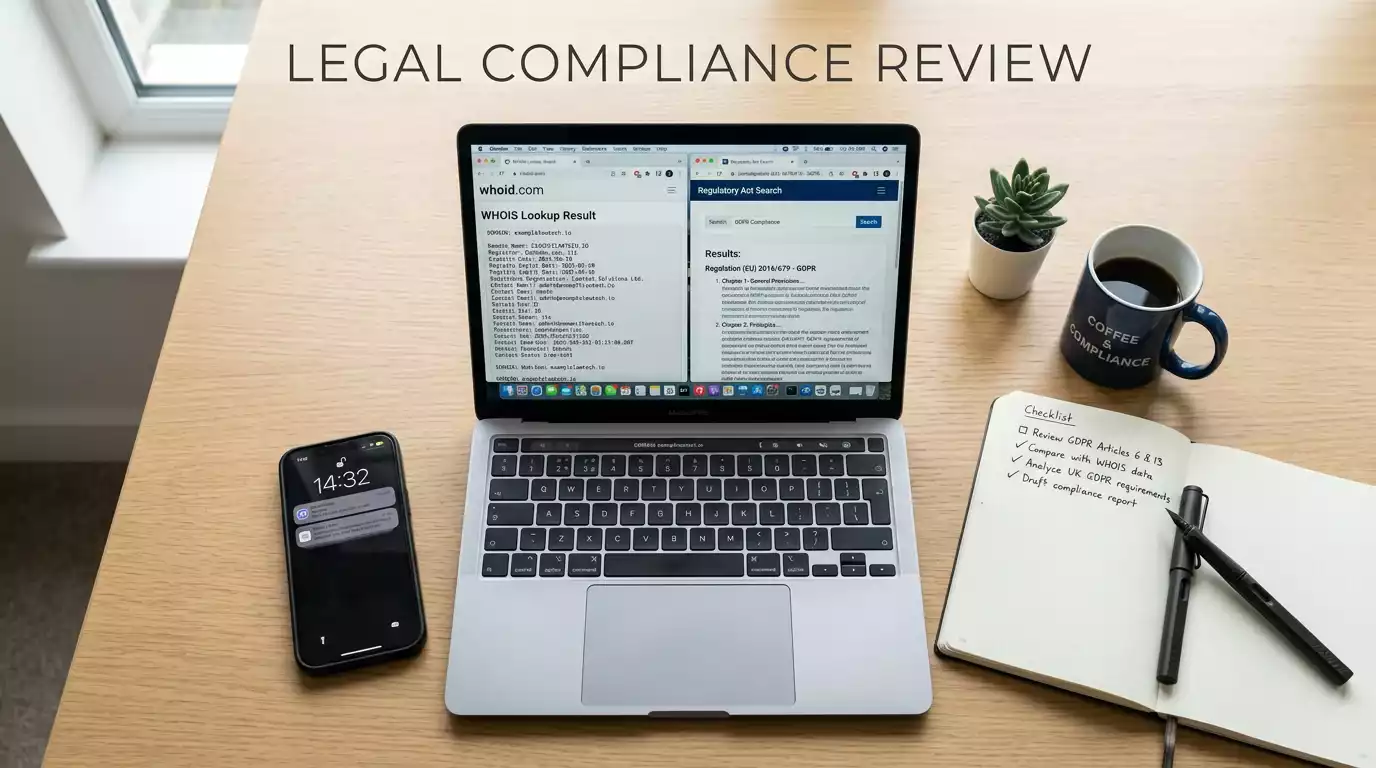
Check domain age and registration data using a WHOIS lookup service. A casino claiming ten years of operation on a domain registered eight months ago is lying about its history. This does not prove fraud on its own, but combined with other red flags, it strengthens the pattern.
Finally, search for the casino name alongside words like “complaint,” “withdrawal refused,” or “scam” on independent review platforms and forums. Patterns matter more than individual reviews. A single negative review could be an outlier. Twenty complaints about the same issue — withheld payouts, locked accounts, ignored support tickets — constitute evidence.
What percentage of online casinos display fake licence information?
Research from the Digital Gambling Compliance Report found that 43% of fraudulent online casinos display fake licensing information. This ranges from using expired licence numbers to claiming regulation by authorities that have never issued them a permit. Always verify licence claims directly through the regulator’s public register rather than trusting what the casino displays on its own site.
Can I verify a casino’s game providers directly with the developer?
Yes. Most major game providers — including Pragmatic Play, Evolution, and NetEnt — publish lists of their licensed operator partners on their official websites or provide verification on request. If a casino claims to host games from a specific provider but does not appear on that provider’s partner list, the games may be unauthorised copies running on altered software with no independent RTP certification.