
 Available in GB
Content

The UKGC: Regulator for a £16.8 Billion Industry
Most players encounter the UKGC as a logo at the bottom of a casino website. A small image, a licence number, maybe a link that nobody clicks. I have spent eight years analysing what sits behind that logo, and the gap between what players assume the UKGC does and what it actually does is one of the most consequential knowledge gaps in UK gambling.
The UK Gambling Commission regulates an industry with total Gross Gambling Yield of £16.8 billion in the year ending March 2025 — a 7.3% year-on-year increase. It oversees approximately 2,200 licensed operators (UKGC annual report 2024/25), covering everything from multinational online platforms to single-site bingo halls. It writes the rules, grants the licences, investigates complaints, and imposes penalties. It is, by any measure, one of the most active and comprehensive gambling regulators in the world. But it operates within defined limits, and those limits matter enormously for players who assume its protection extends further than it does.

The full assessment is in our Rouge Casino review.
Our top casino picks for the UK
- x3betBonus: Welcome Pack 100% Up to £1.000 + 200 Free Spins · Payout speed: 1-3 business days
- SpinFormulaBonus: 550% Up To £15,000 + 550 FS · Payout speed: 1-3 business days
- Revery PlayBonus: 100% up to€1,000+ 100 FS · Payout speed: 1-3 business days
- AmunbetBonus: Join now and get 450% up to 2,700 GBP + 450 FS · Payout speed: 1-3 business days
- SlotoSportBonus: 500% up to £ 10 200+ 777 FS · Payout speed: 1-3 business days
- NightLuckBonus: Welcome Pack + 805% Up To 6400€ + 280 FS · Payout speed: 1-3 business days
- EvoSpinBonus: 125% up to €2500 + 125 Free Spins · Payout speed: 1-3 business days
Licensing, Enforcement, and Penalty Powers
Three words keep appearing in every UKGC enforcement action I have reviewed: compliance is not optional. The Commission has made this clear through both words and actions, and the penalty framework backs it up. The UKGC’s powers derive from the Gambling Act 2005, which gives it authority to grant, suspend, revoke, and attach conditions to gambling licences. Any operator wanting to legally offer gambling services to people in Great Britain must hold a UKGC licence — there is no alternative route.
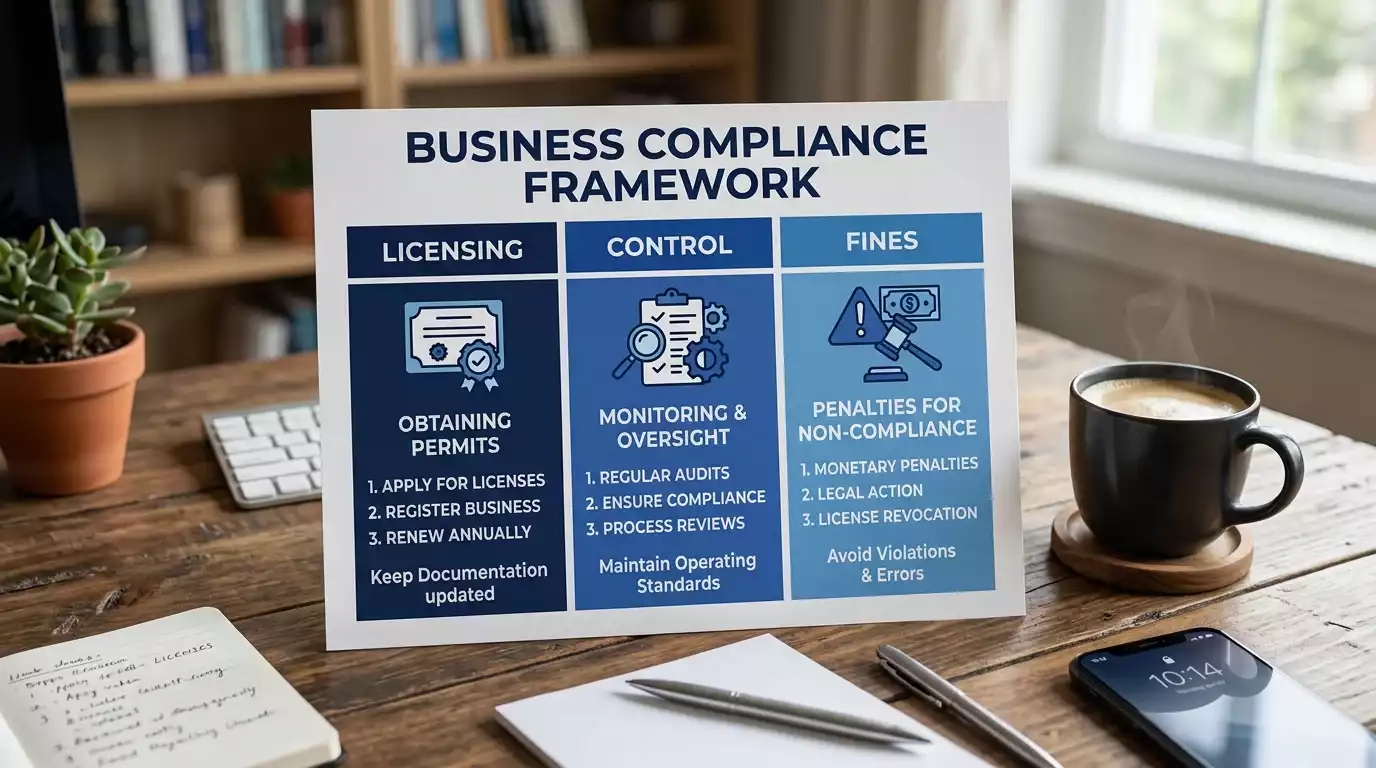
The licensing process is intensive. Operators must demonstrate financial stability, prove the integrity of their software systems, show that their anti-money laundering procedures meet regulatory standards, and evidence their responsible gambling policies. Personal licence holders — the individuals who manage gambling operations — face their own vetting, including criminal background checks. This is not a rubber-stamp process. Applications take months, and the UKGC rejects or withdraws applications that do not meet its standards.
Once licensed, operators face ongoing obligations enforced through a combination of regular reporting, compliance assessments, and reactive investigations triggered by player complaints or intelligence. The penalty toolkit includes financial settlements (which can reach tens of millions of pounds for major operators), additional licence conditions, suspension of licence, and outright revocation. The UKGC also has the power to pursue personal licence holders — meaning individual executives, not just corporate entities, face consequences for compliance failures.
Recent Penalty Packages: Fines and Licence Conditions
When I read through the UKGC’s public enforcement register, two patterns emerge. First, the penalty amounts have escalated significantly over the past three years, reflecting both increased regulatory ambition and the scale of violations being uncovered. Second, the most common grounds for penalty are failures in anti-money laundering controls and responsible gambling obligations — not obscure technical breaches, but fundamental failures in the two areas most directly connected to player and public harm.
Regulatory pressure across 2025 and 2026 produced 741 cease-and-desist actions and a referral of nearly 398,000 illegal gambling URLs to search engines. Those numbers represent the Commission’s effort to tackle illegal operators — sites that target UK players without holding a licence. The scale is significant, but it also illustrates the challenge: for every URL reported, another can appear. An industry expert characterised the approach as whack-a-mole enforcement that is here to stay — an honest assessment of the structural difficulty of policing a global internet from a national regulatory base.
For licensed operators, the penalties are more direct. Financial settlements typically require the operator to pay a sum reflecting the severity of the breach, divest any proceeds linked to the failure, and implement remedial measures under UKGC supervision. The settlements are published, naming the operator and detailing the failings. This transparency serves a dual purpose: it punishes the offending operator and signals to the rest of the market that non-compliance carries reputational as well as financial costs.
What UKGC Licensing Means for Player Safety
I sometimes get asked whether UKGC licensing actually makes a difference to the average player’s experience. After reviewing hundreds of operator assessments, my answer is unequivocal: yes. The difference is not always visible on the surface — a UKGC-licensed site and an offshore site can look almost identical — but it is structural and significant.
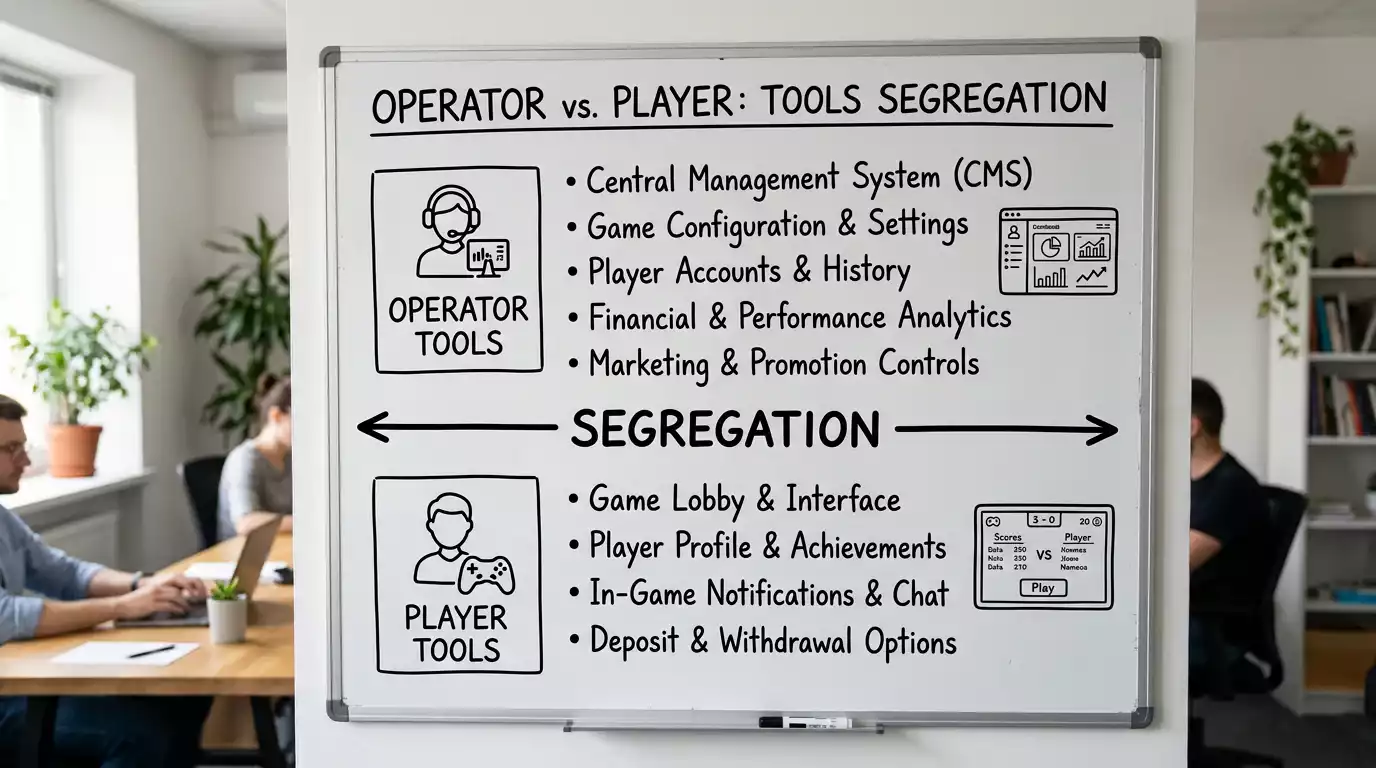
UKGC licensing means your deposits are held in segregated accounts, protected if the operator becomes insolvent. It means the games you play have been independently tested and certified. It means the operator must offer you self-exclusion tools and honour GamStop registrations. It means that if you have a dispute, there is an approved Alternative Dispute Resolution provider — like IBAS — that can adjudicate independently. It means affordability checks trigger at defined thresholds, stake limits cap your maximum bet on online slots, and the operator faces sanctions if it fails to identify markers of harm in your play patterns.
None of these protections is perfect. The system has gaps, enforcement is resource-constrained, and some operators treat compliance as a cost centre rather than a commitment. But the framework exists, it is enforced, and it creates a baseline of protection that simply does not exist outside the UKGC’s jurisdiction. Nearly 48% of British adults gamble, and the UKGC’s role is to ensure that those who do are playing in an environment where the rules are known, the games are fair, and help is available when things go wrong.
How the offshore licence compares: Curaçao vs UKGC.
Where UKGC Authority Ends: Offshore and Crypto
The UKGC’s jurisdiction is territorial. It regulates operators licensed in Great Britain. It does not regulate operators licensed in Curaçao, Malta (though the MGA has its own framework), Costa Rica, or any other jurisdiction. This is the fundamental limitation that creates the offshore market: a player in Manchester can access a Curaçao-licensed casino as easily as a UKGC-licensed one, but only one of them falls under the Commission’s enforcement authority.

Cryptocurrency complicates this further. Crypto transactions are harder to trace, harder to block, and harder to link to specific individuals. An offshore casino accepting Bitcoin can operate with a degree of financial opacity that would be impossible at a UKGC-regulated site. The UKGC cannot compel a Curaçao-licensed operator to implement KYC checks, honour self-exclusion lists, or segregate player funds. It can report their URLs, issue warnings, and work with payment processors to restrict access — but it cannot regulate them.
This is not a failure of the UKGC. It is a structural limitation of national regulation in a global digital market. The Commission’s response has been twofold: make the regulated market as attractive and protective as possible so players choose to stay within it, and make the unregulated market as difficult to access as possible through enforcement action. Whether that strategy is succeeding is debatable, but the intent — and the effort — is real.
Can the UKGC shut down an offshore casino?
The UKGC cannot directly shut down an offshore casino because it has no jurisdiction over operators licensed outside Great Britain. It can issue cease-and-desist notices, report illegal URLs to search engines for removal, work with payment processors to block transactions, and coordinate with overseas regulators. Between 2025 and 2026, the UKGC reported nearly 398,000 illegal URLs, but enforcement against offshore operators remains structurally limited.
How many operators does the UKGC currently regulate?
As of March 2025, approximately 2,200 gambling operators held UKGC licences (UKGC annual report 2024/25), down year-on-year. This decline reflects market consolidation and the UKGC’s increased licensing standards, which have raised the bar for entry and ongoing compliance. The operator count covers the full spectrum of gambling activities, from online casinos and sportsbooks to land-based venues.