
 Available in GB
Content

Help Is Available: UK Gambling Support in 2026
I want to start this article differently from everything else on this site. Most of what I write analyses operators, regulations, and market data with a professional detachment that the subject matter demands. This article is about people — the approximately 1.4 million British adults who experience some form of gambling problem, and the services that exist specifically to help them.
Nearly 48% of British adults gamble in some form, and for the vast majority, it remains a recreational activity without lasting harm. But the distance between recreational and problematic gambling is shorter than most people assume, and the services described here exist because that distance gets crossed more often than the industry likes to acknowledge. As GamStop CEO Fiona Palmer noted, the continued year-on-year growth in self-exclusion registrations highlights the ongoing and increasing need for effective support tools.
What follows is a practical guide to the main support services available to UK residents. I’m listing what each service offers, how to access it, and what to expect — because the hardest part of seeking help is often not knowing where to start.
The full assessment is in our Rouge Casino review.
GamCare: Services, Helpline, and Online Chat
When a player contacts me after a bad experience at an offshore casino, the first service I point them toward — before any complaint process, before any chargeback attempt — is GamCare. It’s the UK’s leading provider of free information, advice, and support for anyone affected by gambling.

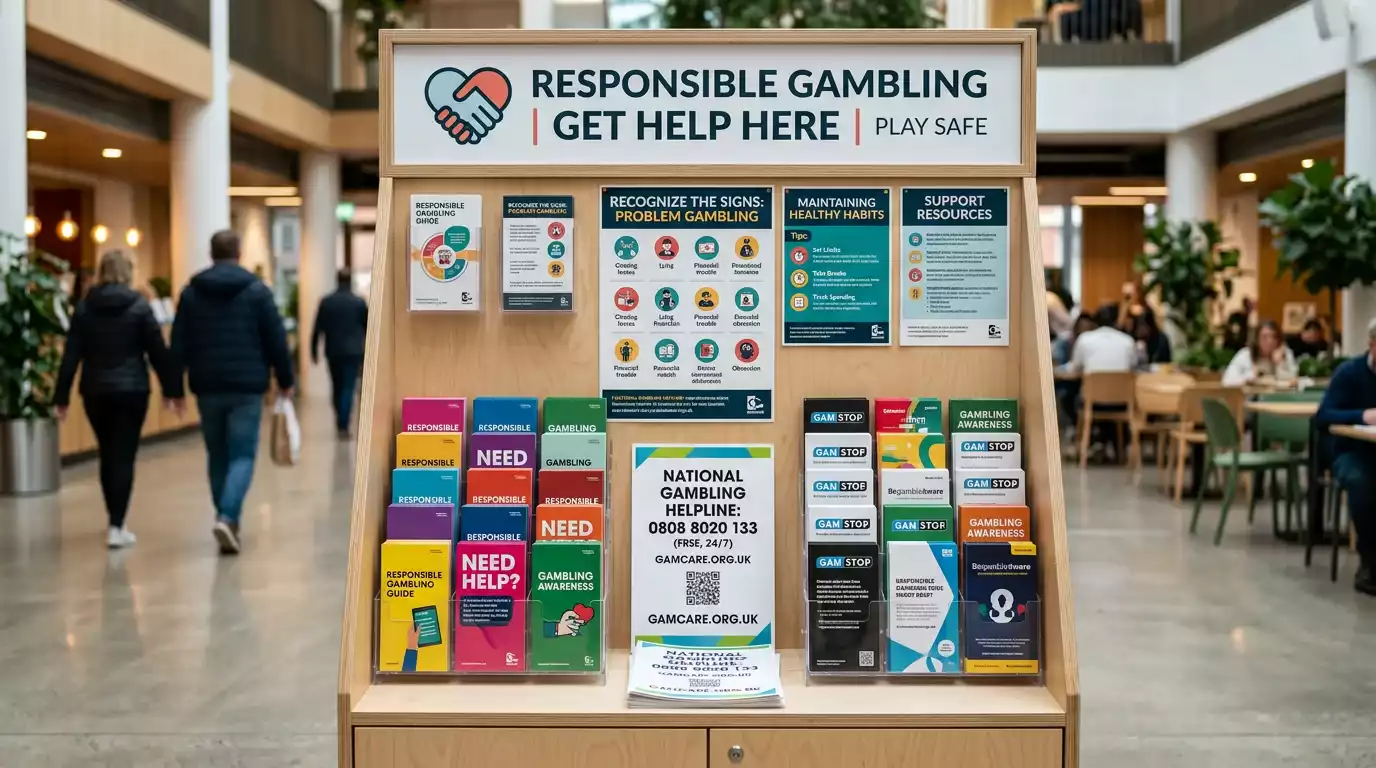
GamCare operates the National Gambling Helpline, available on 0808 8020 133. The line is open 24 hours a day, seven days a week, and is staffed by trained advisers who can provide immediate support, discuss treatment options, and help callers assess whether their gambling has moved from recreational to harmful. For those who prefer not to speak on the phone, GamCare offers live chat through its website, available during the same hours. Both services are free and available to anyone — not just people who consider themselves problem gamblers, but also family members, friends, or anyone concerned about someone else’s gambling.
Beyond the helpline, GamCare provides structured counselling through its network of partner organisations across the UK. Counselling is typically delivered in blocks of sessions — often six to twelve — and can be accessed face-to-face, by video call, or by phone. Waiting times vary by region, but the initial assessment appointment is usually available within a few weeks of first contact. GamCare also runs the BigDeal programme for young people aged 11-19 who are affected by gambling, either their own or a family member’s.
One feature I think is underappreciated is GamCare’s forum and peer support community. For people who aren’t ready to call a helpline or enter formal counselling, the forum provides a space to read about others’ experiences, ask questions anonymously, and test the waters of acknowledging a problem in a low-pressure environment. It’s not a substitute for professional support, but it’s a valuable first step for people who find the idea of calling a helpline daunting.
BeGambleAware: Tools, Self-Assessment, and Treatment Finder
If GamCare is the front door to support, BeGambleAware is the navigation system. The organisation’s primary role is commissioning and funding gambling harm research, education, prevention, and treatment across the UK. For individual players, its most immediately useful tools are its self-assessment questionnaire and treatment finder.
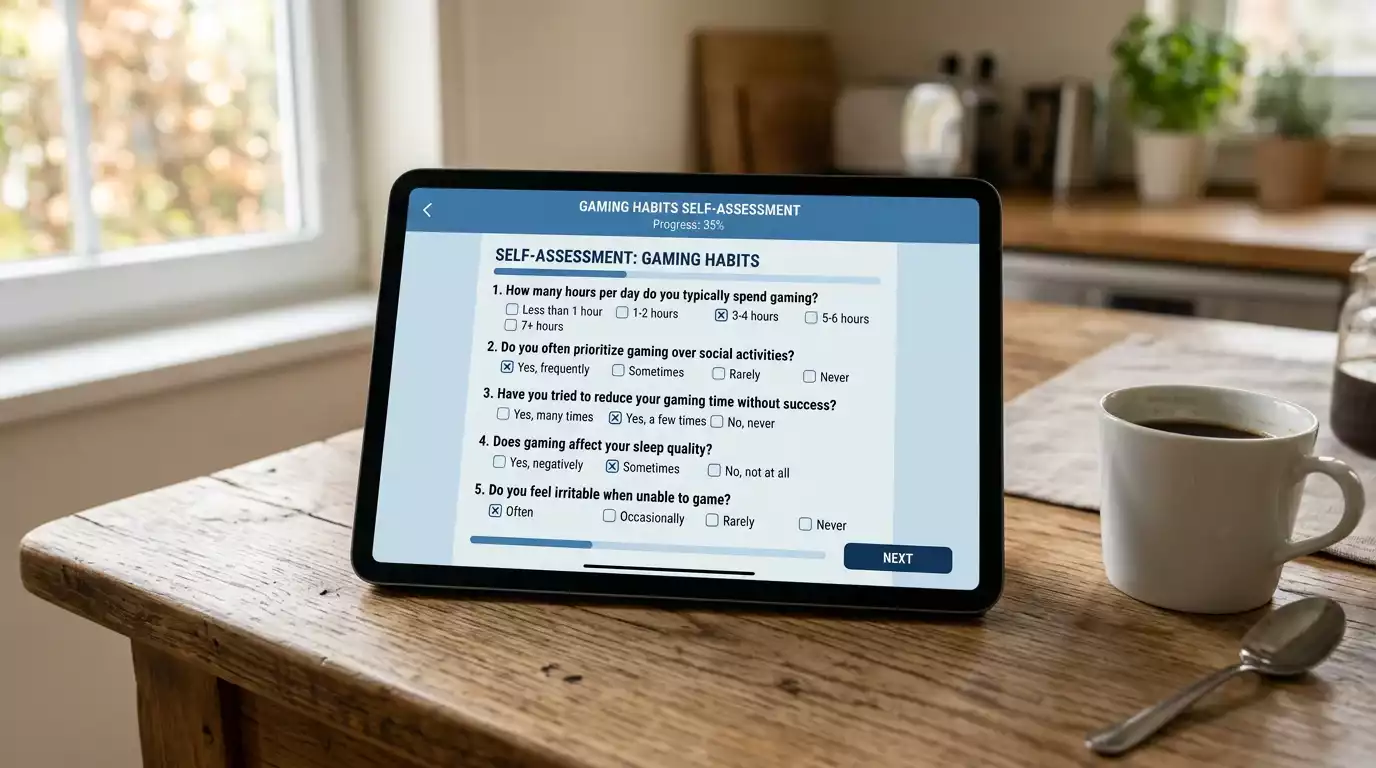
The self-assessment is a brief, confidential screening tool available on the BeGambleAware website. It asks questions about gambling frequency, spending patterns, emotional responses to gambling, and the impact on relationships and finances. The questionnaire doesn’t diagnose — it’s not a clinical tool — but it provides a structured framework for honest self-reflection and generates a personalised results summary that can help someone decide whether to seek further support. I’ve seen this tool prompt more conversations than any helpline poster, precisely because it doesn’t require talking to another person.
The treatment finder maps available services by location and type, making it possible to find local counselling, residential treatment, or online therapy options without navigating multiple websites. BeGambleAware funds a national network of treatment providers, and the finder connects users to these services directly. The organisation also operates a live chat service for immediate advice and signposting.
BeGambleAware’s educational resources are worth bookmarking even if you don’t consider yourself at risk. Their materials on understanding odds, recognising early warning signs, and setting limits are among the clearest and most evidence-based available. The fact that these resources are freely accessible and free from commercial influence — unlike the “responsible gambling” pages on operator websites, which tend to be compliance exercises rather than genuine educational tools — makes them a reliable reference point.
The national scheme alongside them: GamStop self-exclusion.
NHS Gambling Clinics and Other Resources
Something that surprises many people I speak with is that gambling disorder is a recognised condition treatable through the NHS. The National Centre for Gaming Disorders, based at Central North West London NHS Foundation Trust, was established in 2019 as the UK’s first dedicated NHS gambling clinic. It accepts referrals from across England and provides specialist treatment including cognitive behavioural therapy adapted for gambling, psychiatric assessment, and family therapy.
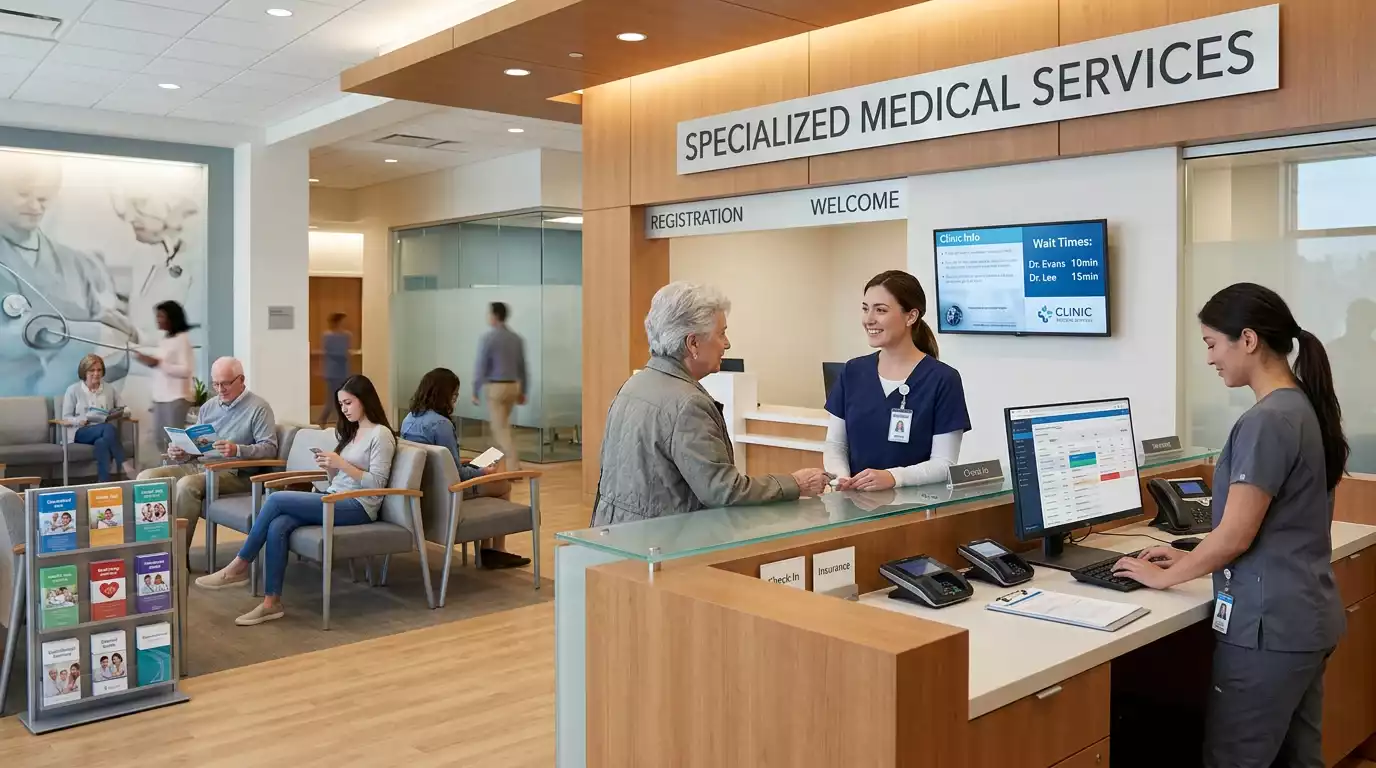
Additional NHS-funded clinics have since opened in Leeds and other cities, expanding geographic access to specialist treatment. Referrals can come through a GP, through self-referral, or through another support service like GamCare. Waiting times for NHS specialist services are longer than for charity-funded counselling — often several months — but the treatment is comprehensive, clinically led, and entirely free at the point of access.
Beyond the main services, several other organisations provide complementary support. Gamblers Anonymous runs peer support groups across the UK — meetings where people with gambling problems share experiences and support each other’s recovery, following a twelve-step model adapted from Alcoholics Anonymous. Gordon Moody provides residential treatment programmes for people with severe gambling problems, including a retreat-style programme lasting several months. The Samaritans, while not gambling-specific, provides 24-hour emotional support for anyone in crisis, including those experiencing distress related to gambling losses.
The funding landscape for these services changed significantly with the introduction of the statutory gambling levy in April 2025, which requires online operators to contribute 1.1% of their Gross Gambling Yield to research, prevention, and treatment. This replaced a voluntary contribution system that was widely criticised for inadequate funding. The levy means that the treatment and support infrastructure is now funded more sustainably — though whether the increased funding will keep pace with growing demand remains to be seen.
If you or someone you know is struggling with gambling, any of these services is a valid starting point. You don’t need to be in crisis to reach out. You don’t need to have a diagnosis. You just need to recognise that something isn’t right and decide that finding out what help is available is a reasonable next step.
Is GamCare support free and confidential?
Yes. GamCare’s National Gambling Helpline, live chat, and counselling services are free to access. Conversations are confidential, and you do not need to give your real name to use the helpline or chat. Counselling sessions arranged through GamCare are also free, though availability may vary by region.
Can family members of gamblers access BeGambleAware services?
Yes. BeGambleAware’s self-assessment tools, live chat, and treatment finder are available to anyone affected by gambling, including family members and friends. GamCare’s helpline also provides specific support for people concerned about someone else’s gambling, and can offer advice on how to approach the situation and what support options are available for both the gambler and those around them.