
 Available in GB
Content
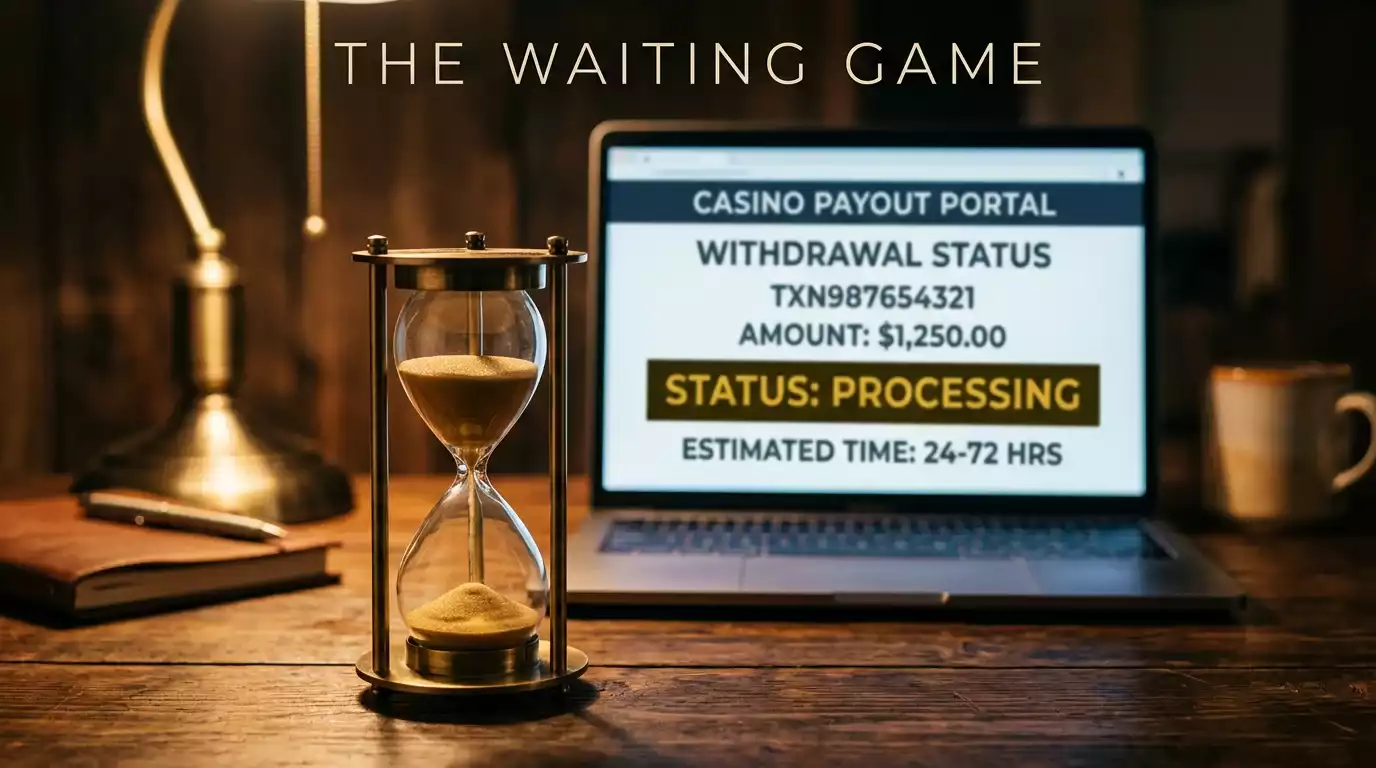
I have reviewed withdrawal processes at over two hundred online casinos during my career, and there is one pattern that separates trustworthy operators from problematic ones faster than any other signal: the gap between what the site promises and what players actually experience. At Rouge Casino, that gap is where the problems begin.
The full assessment is in our Rouge Casino review.
Stated Processing Times vs Actual Player Experiences
Every casino publishes withdrawal timeframes somewhere in its terms or FAQ section. Rouge Casino is no exception — the site references processing periods for various payment methods, typically ranging from 24 hours for e-wallets to several business days for bank transfers. On paper, these figures sound reasonable. They align roughly with what legitimate operators offer.
Player reports tell a different story. Across Trustpilot, Casino.guru, and independent forums, the dominant theme in Rouge Casino feedback is withdrawal delays that stretch far beyond any stated timeframe. I have documented complaints describing withdrawals stuck in “pending” status for two weeks, three weeks, and in several cases over a month. The pattern is not isolated to one payment method or one withdrawal amount — it appears across the board.
What makes this pattern significant rather than anecdotal is the volume and consistency. When a single player reports a slow withdrawal, that could be a processing hiccup, a compliance check, or a banking delay. When dozens of players report the same experience — pending status, no communication, eventual account restriction — you are looking at an operational pattern, not an exception. Casino.guru assigned Rouge Casino a Safety Index of 1.7 out of 10, and withdrawal complaints form a substantial portion of the evidence behind that score.
Our top casino picks for the UK
- x3betBonus: Welcome Pack 100% Up to £1.000 + 200 Free Spins · Payout speed: 1-3 business days
- SpinFormulaBonus: 550% Up To £15,000 + 550 FS · Payout speed: 1-3 business days
- Revery PlayBonus: 100% up to€1,000+ 100 FS · Payout speed: 1-3 business days
- AmunbetBonus: Join now and get 450% up to 2,700 GBP + 450 FS · Payout speed: 1-3 business days
- SlotoSportBonus: 500% up to £ 10 200+ 777 FS · Payout speed: 1-3 business days
- NightLuckBonus: Welcome Pack + 805% Up To 6400€ + 280 FS · Payout speed: 1-3 business days
- EvoSpinBonus: 125% up to €2500 + 125 Free Spins · Payout speed: 1-3 business days
Withdrawal Limits and Maximum Win Caps
Before I deposit at any casino I am reviewing, I check two numbers that most players overlook entirely: the maximum single withdrawal and the monthly withdrawal cap. These figures determine whether a significant win can actually reach your bank account in a reasonable timeframe — or whether it gets sliced into instalments that stretch across months.
Offshore casinos frequently impose caps that UKGC-licensed operators would not. A weekly withdrawal limit of £2,000 or £5,000 sounds generous until you win £15,000 and realise you are looking at a minimum of three to eight weeks of scheduled payouts — assuming each instalment processes on time. During that waiting period, your funds remain in the casino’s control. At every stage, the operator retains the ability to request additional verification, flag your account for review, or apply terms-based restrictions that delay or reduce the payout.
Maximum win caps add another layer. Some offshore operators specify that regardless of how much you win, the maximum amount you can withdraw from a single bonus-funded session is capped — often at a multiple of your deposit or bonus amount. A 10x cap on a £100 deposit means your maximum withdrawal is £1,000, even if the game credits show £8,000. This is not a glitch. It is a contractual term buried in the bonus conditions, and at offshore sites, there is no regulatory body requiring these terms to be fair or prominently displayed. The 2025 International Gambling Protection Index rated Curaçao at 5.4 out of 10 for player protection, compared to the UKGC’s 9.2 — and withdrawal cap transparency is one of the areas where that gap becomes tangible.

KYC Verification: When Identity Checks Become Stalling
Know Your Customer verification is a legitimate process. Every regulated casino is required to verify a player’s identity before processing withdrawals, and I support the principle entirely — it prevents money laundering, protects against identity theft, and ensures the person withdrawing is the person who deposited. At UKGC-licensed operators, KYC typically completes within 24-72 hours. You submit your documents, the compliance team reviews them, and the withdrawal processes.
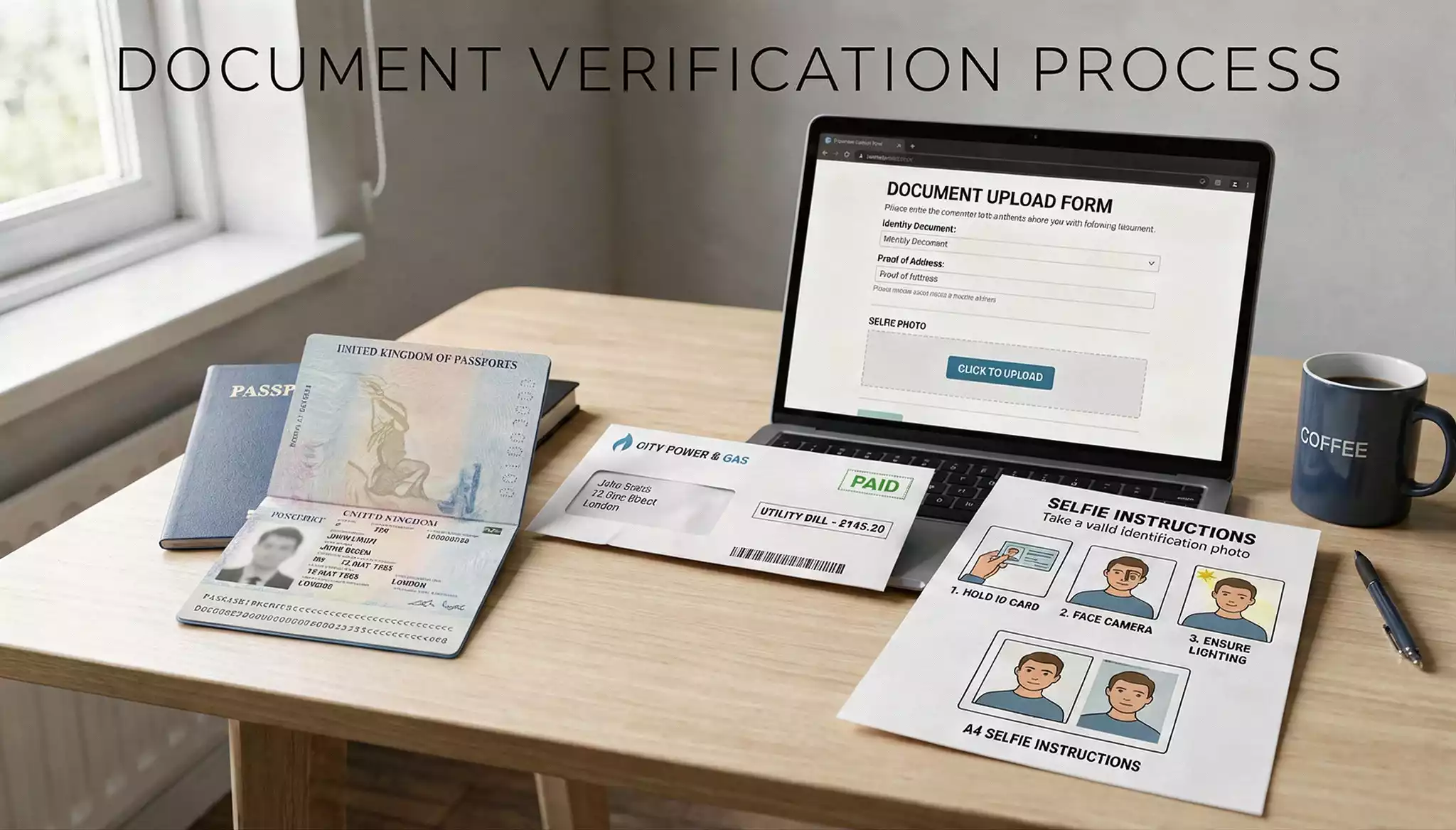
The problem arises when KYC becomes a tool for delay rather than compliance. I have reviewed cases at offshore casinos — Rouge Casino among them — where players completed initial verification, received confirmation that their documents were accepted, and then faced a second round of verification requests weeks later when they attempted to withdraw. New document requests. Utility bills less than one month old. Selfies holding the card used for deposit. Each request restarts the clock, adding days or weeks to the process.
Distinguishing legitimate KYC from stalling requires context. A first-time withdrawal verification at any casino is normal. A second or third round of document requests at the point of withdrawal — particularly when the amounts involved trigger no reasonable compliance threshold — is a different matter. 43% of fraudulent online casinos display fake licensing information, and a meaningful subset of those use KYC-adjacent processes not to comply with regulations they do not follow, but to exhaust players into abandoning their withdrawal requests.
What other players report: the complaints record.
Payout Stuck? A Step-by-Step Escalation Guide
Over eight years in this field, I have helped players navigate stuck withdrawals at every tier of operator, from UKGC-regulated brands to offshore sites with no meaningful oversight. The process differs depending on where the casino is licensed, but the starting point is the same: documentation.
Screenshot everything. Your account balance, the withdrawal request confirmation, the pending status page, every chat transcript with customer support, and every email. Time-stamp your records. If the casino’s stated processing time is 48 hours and you are on day twelve, that timeline is evidence. If support told you “your withdrawal is being processed” on three separate dates with no resolution, those transcripts are evidence.

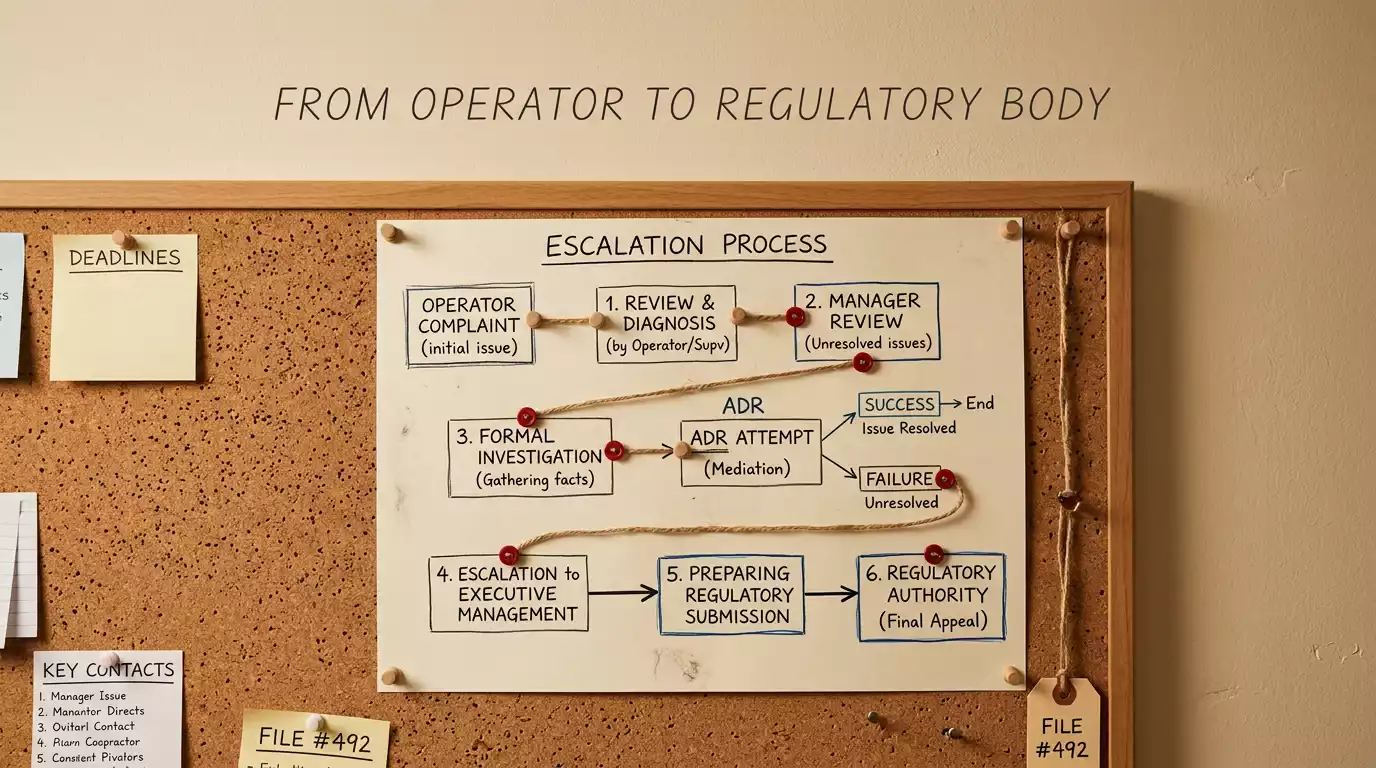
Next, file a formal written complaint through the casino’s complaints procedure. Many players skip this step and go straight to social media or review sites, which generates attention but rarely moves money. A formal complaint creates a documented record that can be referenced in escalation. Send it by email and save the confirmation. State the withdrawal amount, the date requested, the processing time promised in the terms, and the actual elapsed time.
For UKGC-licensed operators, the escalation path runs through an approved Alternative Dispute Resolution provider — typically IBAS or eCOGRA — and ultimately to the UKGC itself. For offshore operators like Rouge Casino, this path does not exist in the same form. Curaçao’s regulatory framework does not offer players a structured dispute resolution process comparable to IBAS. Your options narrow to: the casino’s internal complaints process, public review platforms (Casino.guru, Trustpilot), and — in extreme cases — reporting to Action Fraud if you believe the operator’s conduct amounts to fraud.
An industry expert characterised offshore enforcement as a perpetual “whack-a-mole” situation, which captures the structural challenge players face. The regulatory tools that make UKGC complaints effective — binding ADR, licence conditions, financial penalties — do not apply to operators outside that jurisdiction. That does not make your complaint worthless, but it means you should manage expectations about resolution timelines and outcomes. Public pressure through documented, factual reviews remains the most effective lever available when formal regulatory channels do not reach the operator.
What is the maximum single withdrawal at Rouge Casino?
Rouge Casino’s specific withdrawal limits are detailed in its terms and conditions, which can change without notice. Offshore casinos commonly impose weekly or monthly caps ranging from a few thousand pounds to modest five-figure sums. The critical step is checking these limits before depositing, not after winning — because the cap determines whether a significant win reaches your account in days or months.
How long should KYC verification take at a legitimate casino?
At UKGC-licensed operators, KYC verification typically completes within 24-72 hours after documents are submitted. Some operators process faster during business hours. If verification extends beyond five business days with no communication, or if the operator requests additional documents after initially confirming your identity, that pattern may indicate stalling rather than genuine compliance work.
Can a casino legally reverse an approved withdrawal?
At UKGC-regulated sites, once a withdrawal is approved and processing, reversing it without the player’s consent raises serious regulatory concerns. The UKGC has taken enforcement action against operators for withdrawal manipulation. At offshore casinos operating under Curaçao licensing, the regulatory framework is less prescriptive, and players have limited formal recourse if an approved withdrawal is reversed or delayed indefinitely.