
 Available in GB
Content
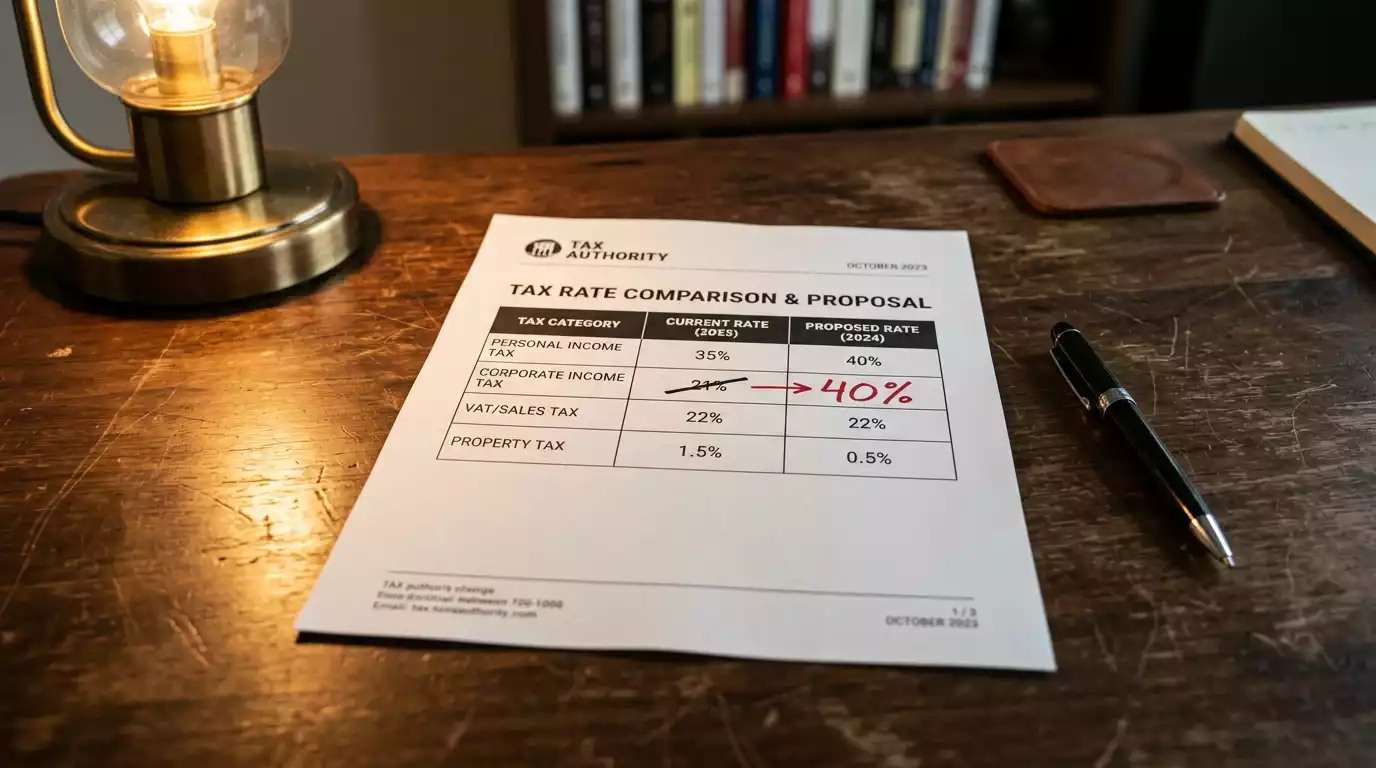
The Biggest UK Gambling Tax Rise in a Decade
In April 2026, the UK government nearly doubled the tax on online gambling operators overnight. Remote Gaming Duty jumped from 21% to 40% of Gross Gambling Yield — the largest single increase since the duty was introduced. I have been watching this change develop since the Treasury’s initial consultation, and the ripple effects across the industry are already visible in how operators structure bonuses, manage costs, and compete for players.
This is not a niche tax policy story. It affects every UKGC-licensed online casino, every sportsbook, and every player who uses them. It also creates a widening gap between the cost structure of regulated UK operators and offshore platforms that pay nothing to the British treasury. Understanding what changed, why, and what it means for the market is essential context for anyone evaluating where to play — and whether the protections of regulated gambling are being priced into the experience.
The full assessment is in our Rouge Casino review.
Our top casino picks for the UK
- x3betBonus: Welcome Pack 100% Up to £1.000 + 200 Free Spins · Payout speed: 1-3 business days
- SpinFormulaBonus: 550% Up To £15,000 + 550 FS · Payout speed: 1-3 business days
- Revery PlayBonus: 100% up to€1,000+ 100 FS · Payout speed: 1-3 business days
- AmunbetBonus: Join now and get 450% up to 2,700 GBP + 450 FS · Payout speed: 1-3 business days
- SlotoSportBonus: 500% up to £ 10 200+ 777 FS · Payout speed: 1-3 business days
- NightLuckBonus: Welcome Pack + 805% Up To 6400€ + 280 FS · Payout speed: 1-3 business days
- EvoSpinBonus: 125% up to €2500 + 125 Free Spins · Payout speed: 1-3 business days
21% to 40%: What Changed and When
Remote Gaming Duty is levied on the GGY — Gross Gambling Yield — generated by UK-licensed remote gambling operators. GGY is the total amount staked by players minus the total amount paid out in winnings. If an operator takes £10 million in bets and pays out £9 million in winnings, its GGY is £1 million, and the duty is calculated on that figure.
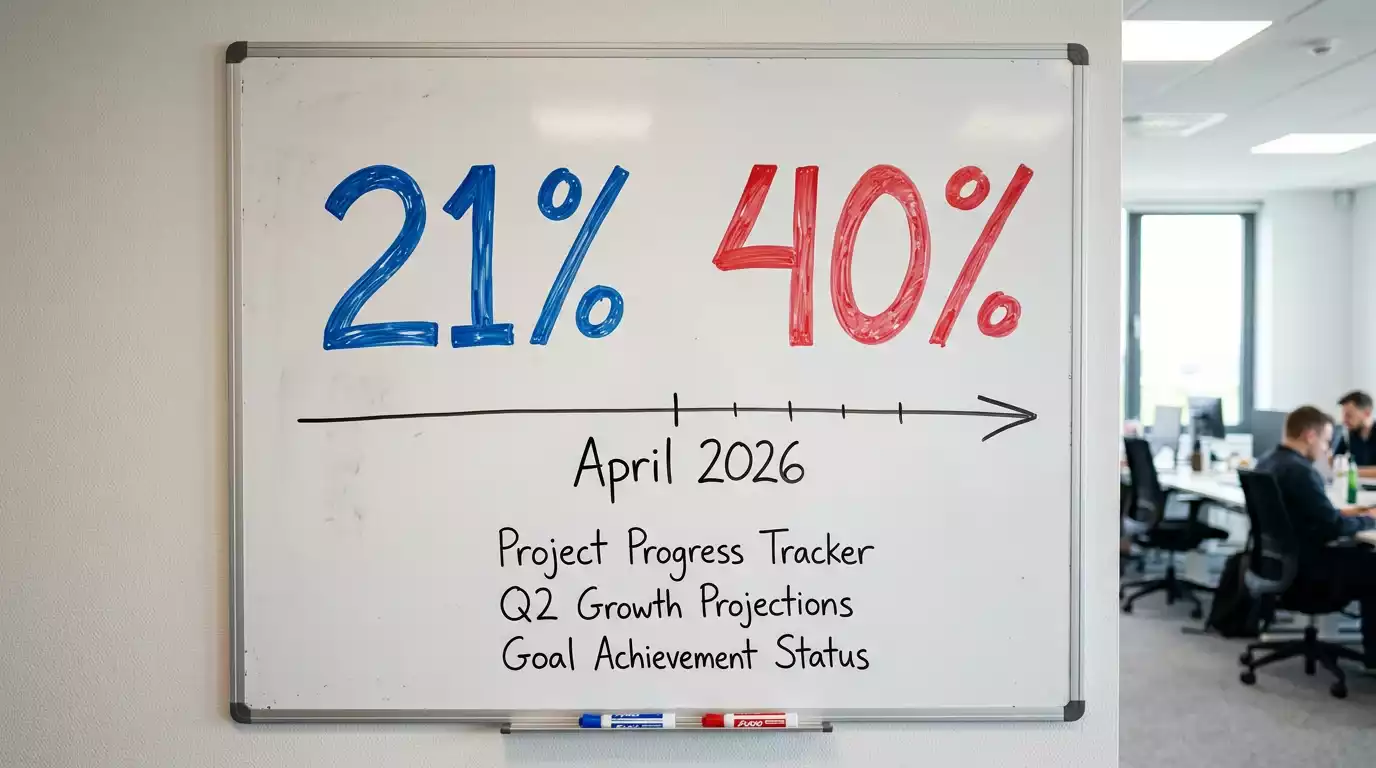
Until March 2026, the rate was 21%. From 1 April 2026, it became 40%. That is not a marginal adjustment — it fundamentally changes the economics of operating in the UK market. An operator with £100 million in GGY previously paid £21 million in RGD. The same operator now pays £40 million. That £19 million difference has to come from somewhere: reduced marketing spend, tighter bonus offers, lower operating costs, or thinner profit margins. Some combination of all four is what most operators are implementing.
The rate change arrived alongside the statutory gambling levy, introduced at 1.1% of GGY for online operators from April 2025. The levy funds research, prevention, and treatment of gambling harm — replacing the previous voluntary contribution system that many operators underfunded. Combined, the two measures mean that a UK online operator now pays approximately 41.1% of its GGY in taxes and levies before accounting for any other business costs. Player Protection Legal summarised the regulatory intent: the goal is to enhance player safety, promote responsible gambling, and ensure operators act fairly and transparently. The tax burden is part of that framework.

How the Tax Rise Affects Licensed Operators and Bonuses
I spoke with compliance managers at three mid-tier UKGC-licensed operators in the weeks after the rate change took effect. The message was consistent: bonus budgets are under pressure. When nearly half of every pound of GGY goes to the government, the margin available for player acquisition narrows. This does not mean bonuses disappear, but it does mean the economics of generous welcome offers become harder to sustain.

Expect to see welcome bonuses at UKGC sites trend toward lower percentage matches with more reasonable wagering requirements, rather than the inflated headline figures that offshore operators can still afford to advertise. The maths is straightforward: an operator paying 40% RGD cannot offer a 400% deposit match and remain commercially viable. The operators that try will either compensate with punitive wagering requirements or exit the market. This is one reason why the difference between regulated and offshore bonus structures is likely to widen rather than narrow over the coming years.
The tax rise also accelerates market consolidation. Smaller operators with thinner margins face the most pressure, and several have already signalled they are evaluating whether to maintain their UK licences. The UKGC reported 2,179 licensed operators as of March 2025, already a 3.7% decline from the previous year. The RGD increase will accelerate that contraction, concentrating the market among larger operators with the scale to absorb the higher tax burden.
Game selection is another area where the effects are beginning to show. Operators negotiate revenue-share agreements with software providers, and those agreements are typically denominated as a percentage of net revenue — which has just shrunk by nearly twenty percentage points. Some providers have already reported that smaller UK-licensed operators are dropping niche game titles and focusing portfolios on high-performing slots and table games that generate reliable volume. The variety you see at a UKGC-licensed casino in 2027 may be noticeably narrower than what was available in 2024, and that narrowing is a direct consequence of the fiscal pressure introduced this April.
The market the duty applies to: the UK market in 2026.
Why Offshore Casinos Avoid This Tax — and Why It Matters
Here is the competitive distortion that the tax rise amplifies. Rouge Casino, operating under a Curaçao licence, does not pay Remote Gaming Duty. It does not pay the statutory gambling levy. It is not subject to UK corporation tax on its gambling revenue. The total UK-specific tax burden on an offshore operator targeting British players is zero.

This creates an asymmetry that is difficult for regulated operators to compete against. An offshore casino keeps 100% of its GGY (minus whatever taxes apply in its licensing jurisdiction, which for Curaçao are minimal). A UKGC-licensed casino keeps approximately 59% of its GGY after RGD and levy. The offshore operator can afford bigger bonuses, higher maximum withdrawals, and flashier marketing because its cost structure is fundamentally different — not because it runs a better business, but because it operates outside the regulatory and fiscal framework that funds player protection.

For players, the question is what you receive in exchange for that tax burden being passed through. The answer is the entire UKGC protection framework: independent game testing, segregated player funds, dispute resolution, affordability checks, self-exclusion integration, and regulatory enforcement. UK online gambling GGY reached £7.8 billion in the year ending March 2025, and the tax revenue generated funds both the regulator and the harm-prevention infrastructure. Offshore operators contribute nothing to that infrastructure while competing for the same players. Whether the current tax rate strikes the right balance between funding protection and keeping the regulated market competitive is a live debate — but the principle that operators should contribute to addressing the costs their product creates is increasingly difficult to argue against.
Does the higher tax rate affect player winnings directly?
Remote Gaming Duty is paid by operators on their Gross Gambling Yield, not deducted from individual player winnings. Your payouts are not directly reduced by the tax. However, the higher duty affects operators’ commercial decisions — including bonus generosity, marketing spend, and the range of games and features they offer. The indirect effects on player experience are real, even if the tax is not visible on your account.
What is the statutory gambling levy and how does it differ from RGD?
The statutory gambling levy is a separate charge of 1.1% of GGY for online operators, introduced in April 2025. It funds gambling harm research, prevention, and treatment — replacing the voluntary contribution system. Remote Gaming Duty is a tax paid to HMRC on gambling revenue. The levy goes to organisations working on problem gambling. Together, they represent approximately 41.1% of GGY for UK-licensed online operators.