
 Available in GB
Content

Your Casino Won’t Pay: Where You Stand
The email I receive most often from readers starts the same way: “I won, I tried to withdraw, and the casino won’t pay.” It arrives in variations — sometimes it is a pending withdrawal that has sat unprocessed for weeks, sometimes an account locked without explanation, sometimes a retroactive accusation of bonus abuse that voids a balance. The details differ, but the core problem is identical: money you believe is yours, held by an operator that will not release it.
Where you stand depends almost entirely on one factor: whether the casino holds a UKGC licence. That distinction determines your rights, your escalation options, and your realistic chances of recovering your funds. UKGC licensing delivers structural player protections — IBAS / approved ADR access, mandatory complaint handling under LCCP, fund segregation, and licence-condition enforcement — that simply don’t exist outside the regulated UK market. For players at offshore operators, the picture is very different, and I want to walk through both scenarios with the specificity that generic advice usually lacks.
The full assessment is in our Rouge Casino review.
Step 1: Document Everything Before Escalating
Before you contact anyone — the casino, a regulator, a dispute service — document your position. I cannot overstate how important this step is. Screenshots of your account balance, your withdrawal request, your deposit history, and your wagering history. Save copies of every email, live chat transcript, and support ticket. If the casino’s terms and conditions page is accessible, save or print the version that was live when you made your deposit — not the version they update after a dispute arises.
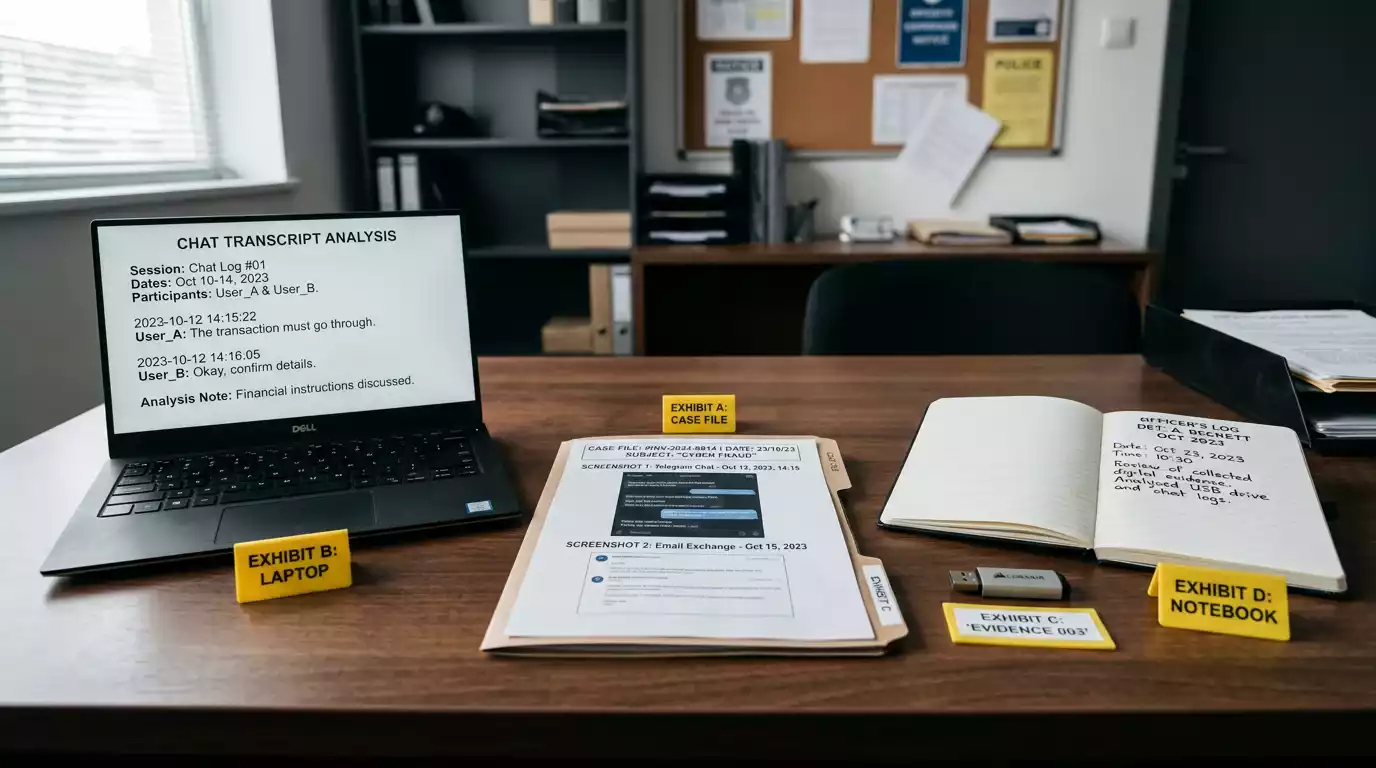
This documentation serves two purposes. First, it prevents the operator from altering the narrative after the fact. Second, it gives any third party you escalate to — an ADR provider, a regulator, a payment processor — the evidence they need to assess your case. The players who recover their funds are almost always the ones who arrived with organised documentation. The players who lose are often the ones who relied on memory and verbal assurances.
Step 2: Formal Complaint to the Operator
Every UKGC-licensed operator is required to have an internal complaints procedure and to respond within eight weeks. This is not optional — it is a licence condition. Your formal complaint should be in writing (email is fine), should state clearly what you are disputing, what outcome you want, and should reference any evidence you have gathered.

For offshore operators, the formal complaint step still matters, but the timeline and obligation are less defined. Many offshore casinos do have support teams that handle complaints, and some do resolve issues at this stage. The difference is enforceability: at a UKGC site, ignoring your complaint has regulatory consequences for the operator. At an offshore site, it may have none. Send the complaint, allow a reasonable response window — ten business days is standard — and keep records of both the complaint and any response received.
Step 3: ADR and IBAS — For UKGC-Licensed Sites
If the operator’s response is unsatisfactory or absent, UKGC-licensed casinos must offer access to an approved Alternative Dispute Resolution provider. The most common ADR for UK gambling is IBAS — the Independent Betting Adjudication Service. IBAS reviews disputes between players and operators, examines the evidence from both sides, and issues a binding ruling.

I have followed dozens of IBAS cases over the years, and the process is genuinely independent. IBAS is not funded by individual operators on a per-case basis in a way that would compromise its independence, and its rulings are published. The service is free for players. You submit your case with your documentation, the operator submits its position, and IBAS adjudicates. The process typically takes between four and eight weeks depending on complexity.
One important caveat: IBAS can only rule on disputes that fall within its terms of reference. It adjudicates on whether the operator applied its own terms correctly and whether those terms are fair. If you breached a bonus condition and the operator voided your balance in accordance with clearly stated terms, IBAS is unlikely to overturn that decision. Where IBAS is most effective is in cases where operators have applied terms unfairly, changed conditions retroactively, or refused payouts without legitimate justification.
Step 4: Reporting to the UKGC
The UKGC itself does not adjudicate individual disputes — that is the ADR provider’s role. However, reporting your experience to the Commission serves a broader purpose. Player complaints feed into the UKGC’s intelligence picture of each operator. An operator that receives a high volume of complaints about withdrawal refusals will attract regulatory scrutiny, which can result in compliance assessments, additional licence conditions, or formal enforcement action.
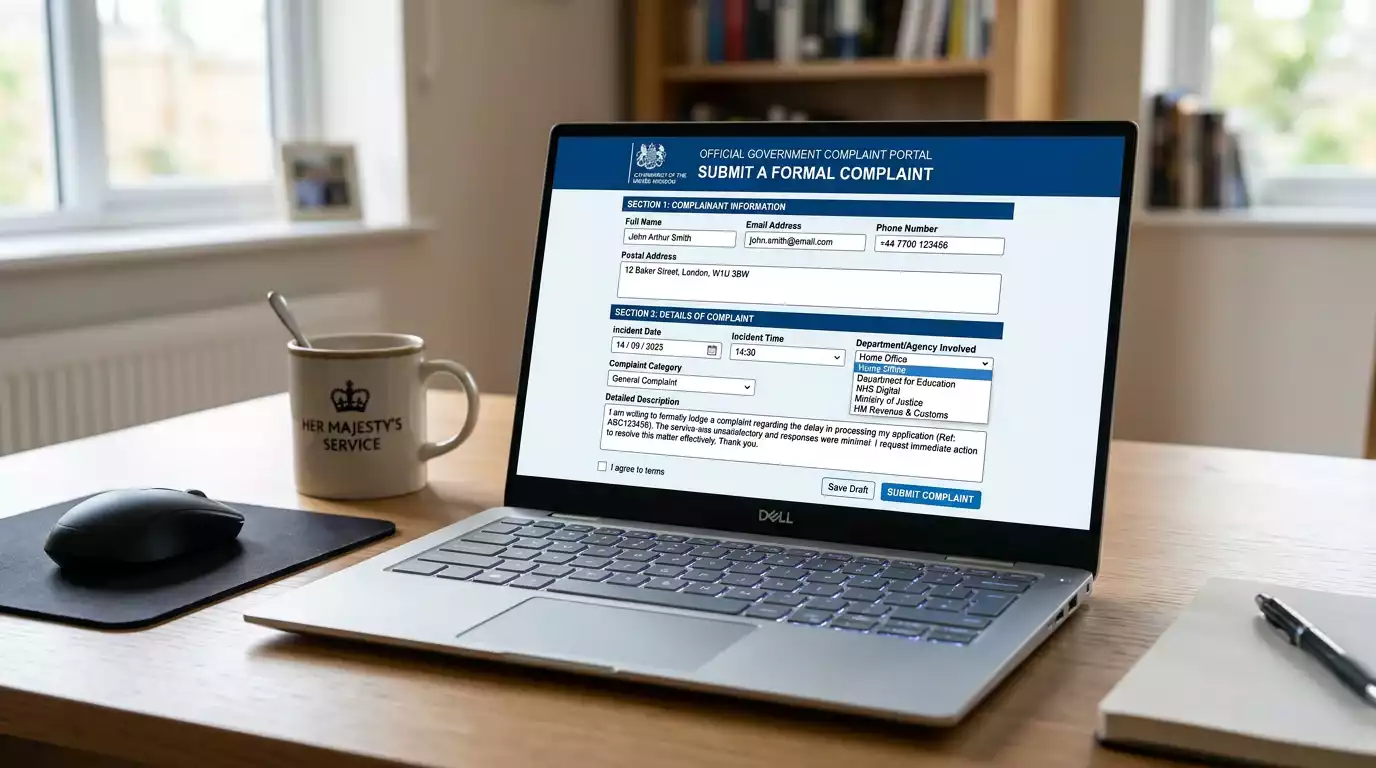
UKGC enforcement activity over 2025 and 2026 delivered 741 cease-and-desist notices alongside the reporting of almost 398,000 illegal URLs to major search engines. That enforcement activity is partly driven by the intelligence gathered from player reports. Your individual complaint may not trigger an investigation, but it contributes to the pattern that does. Report through the UKGC’s online form, include your ADR reference if applicable, and be specific about the operator, the amount, and the timeline.
The documented cases here: the complaints record.
When the Casino Isn’t UK-Licensed: Limited but Not Zero Options
If your withdrawal has been refused by an offshore casino — one licensed in Curaçao, or holding no licence at all — your formal options narrow considerably. There is no IBAS, no UKGC enforcement, no mandatory complaints procedure. An industry expert summarised the enforcement challenge: whack-a-mole enforcement is here to stay, and that assessment applies equally to individual player disputes as it does to the broader regulatory picture.

That said, you are not entirely without recourse. Payment provider disputes are your strongest tool. If you deposited via a debit card, you can initiate a chargeback through your bank under Section 75 of the Consumer Credit Act (for credit card transactions over £100) or through the Visa or Mastercard chargeback scheme for debit transactions. The success rate varies, but chargebacks are a recognised mechanism and banks are familiar with gambling-related disputes.
If you deposited via an e-wallet like Skrill or Neteller, these providers have their own dispute resolution processes, though they tend to be less player-friendly than bank chargebacks. Crypto deposits are the most difficult to recover — blockchain transactions are irreversible by design, and there is no intermediary to dispute through. This is one of the reasons I consistently flag crypto deposits at offshore casinos as the highest-risk payment method for players.
Finally, consider public accountability. Review platforms, player forums, and complaint aggregators like Casino.guru track unresolved player complaints and adjust their safety ratings accordingly. Posting a detailed, evidence-based account of your experience serves the broader player community even if it does not directly recover your funds. It also creates reputational pressure that some operators respond to — particularly those that rely on affiliate traffic and review site endorsements for player acquisition.
Can I take an offshore casino to court in the UK?
Theoretically, you can pursue a civil claim, but enforcing a judgment against an operator based in Curaçao or another offshore jurisdiction is extremely difficult and disproportionately expensive relative to most disputed amounts. UK courts can issue judgments, but enforcement requires cooperation from the jurisdiction where the operator’s assets are held, which is rarely forthcoming for gambling disputes.
How long does the IBAS dispute process take?
IBAS typically resolves disputes within four to eight weeks, depending on the complexity of the case and the responsiveness of both parties. The process is free for players. IBAS requires that you have first exhausted the operator’s internal complaints procedure before accepting your case.
Is there a time limit for filing a gambling complaint?
At UKGC-licensed operators, you should file a formal complaint as soon as possible. The operator has eight weeks to respond before you can escalate to ADR. IBAS accepts cases within a reasonable timeframe after the operator’s final response. For bank chargebacks, most providers impose a 120-day window from the date of the transaction, so timing matters.