
 Available in GB
Content
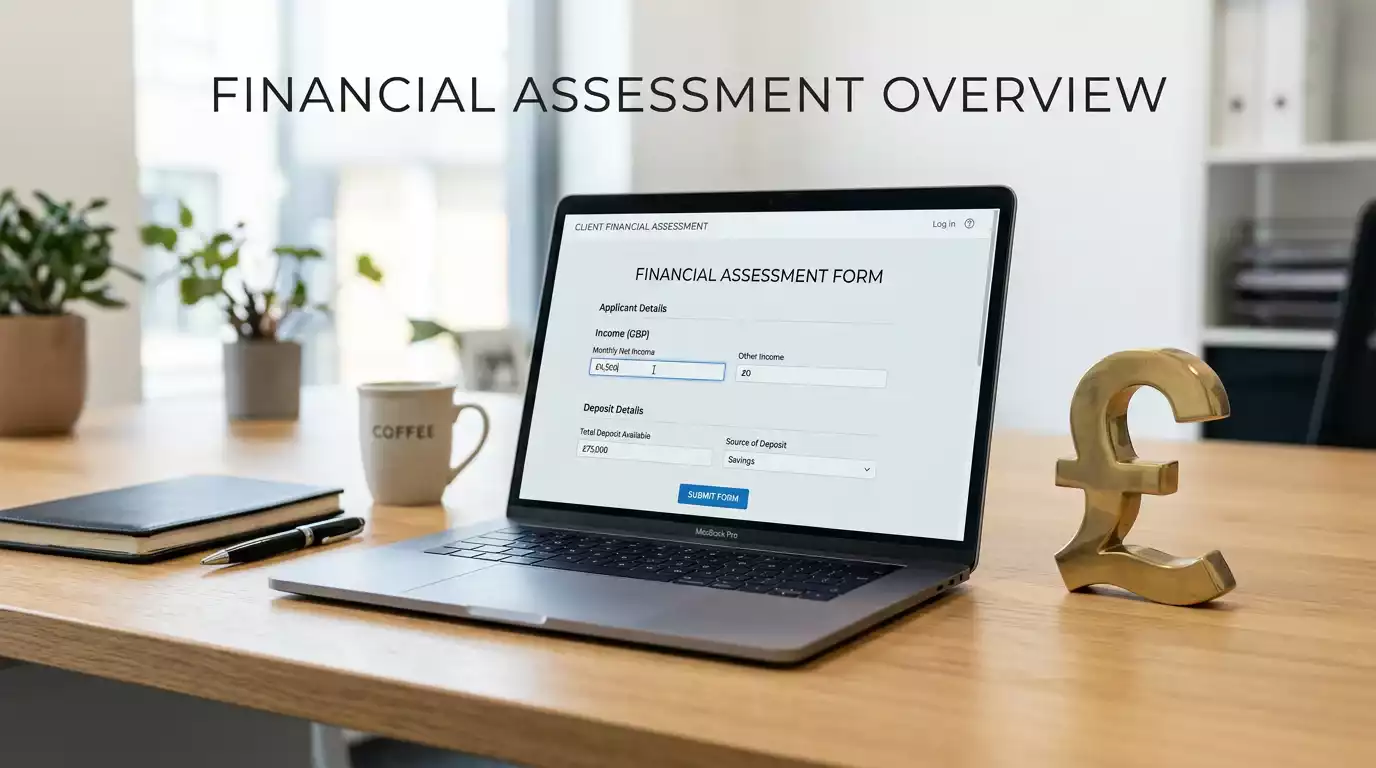
The first time a UKGC-licensed casino asked me for proof of income during a review test, I remember thinking the process felt intrusive. A gambling site wants to see my payslips? Then I read the data: approximately 1.4 million British adults experience some form of gambling problem, and the UK gambling industry collects £15.6 billion per year in player losses. Affordability checks exist because the scale of financial harm demanded intervention.
Whether you find them reassuring or frustrating says a lot about what you expect from a regulated market — and what you lose when you gamble outside one. This is one of the most misunderstood pieces of UK gambling regulation, so I want to walk through exactly how it works, where the thresholds sit, and why offshore operators have no equivalent mechanism in place.
The full assessment is in our Rouge Casino review.
The £150 Trigger: When Checks Kick In
The threshold is precise: financial risk checks are triggered at £150 in net deposits within a 30-day period. “Net deposits” means the total amount deposited minus any withdrawals during that window. If you deposit £200 and withdraw £60, your net deposit is £140 — below the threshold. Deposit another £20, and you cross it.

At this point, the UKGC requires the operator to conduct a financial risk assessment. The check is designed to identify whether a player’s gambling spend is sustainable relative to their financial circumstances. Helen Rhodes, the UKGC’s Director of Major Policy Projects, framed the objective as giving players greater awareness and control over their gambling activities. The mechanism is not a blanket ban on spending — it is a checkpoint that forces operators to consider whether the money flowing through their platform comes from a place of financial stability or financial distress.
The £150 figure represents the UKGC’s calibration between player protection and practical usability. Set the threshold too high, and the checks miss the players most at risk. Set it too low, and you create friction that drives casual players away from regulated sites — potentially toward offshore alternatives that perform no checks at all. That tension between protection and accessibility runs through every aspect of UK gambling regulation in 2026.
It is worth noting what resets the counter. The 30-day window is rolling, not calendar-based. Your net deposits are calculated across all products on that operator’s platform — slots, table games, live casino, sports betting. You cannot dodge the threshold by spreading deposits across different game categories within the same operator. However, each operator tracks independently. A player who deposits £100 at three separate UKGC-licensed sites would not trigger the check at any of them, even though their total spend is £300. That is a known limitation, and the UKGC is reportedly evaluating cross-operator data sharing as a longer-term solution.
What Operators Must Verify and How
I have been through this process at multiple operators while conducting compliance reviews, and the implementation varies more than you might expect. The UKGC sets the requirement; the operators design the process. Some use automated checks that pull data from credit reference agencies — no documents required from the player, no manual review unless the automated check flags a concern. Others request documentation: payslips, bank statements, tax returns.

The automated approach is faster and less intrusive. The operator runs a soft credit check (which does not affect your credit score) and cross-references your declared information against public and financial databases. If the check confirms that your gambling activity is within plausible affordability parameters, you continue playing without interruption. If the check raises a flag — high debt levels, recent County Court Judgements, spending that exceeds a reasonable proportion of estimated income — the operator must take action. That action might range from requesting additional documentation to imposing deposit limits or restricting account functionality.
The documentary approach is slower but sometimes necessary. Players who are self-employed, who have irregular income, or whose financial profile does not fit neatly into automated models may need to provide evidence manually. This is the part that generates the most player frustration — and understandably so. Sending payslips to a casino feels uncomfortable. But the alternative is an industry that takes unlimited deposits from people who cannot afford them, which is what the pre-reform landscape looked like. UK online gambling GGY rose by 13.1% to £7.8 billion in the year ending March 2025, and the growth was not distributed evenly across the player base. Affordability checks exist to ensure that growth does not come disproportionately from players in financial distress.
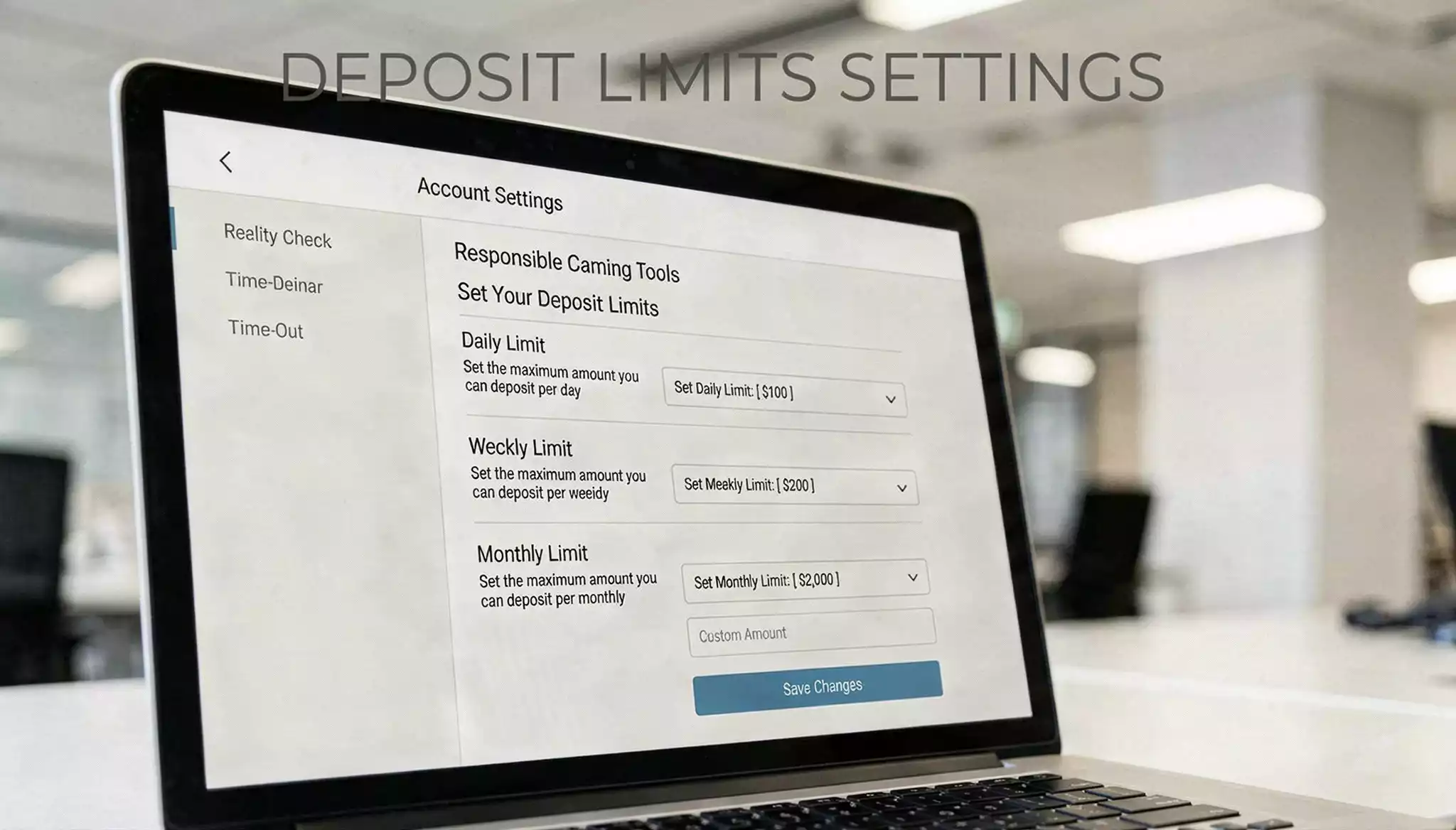
Why some players go offshore instead: non-GamStop casinos.
Why Offshore Casinos Like Rouge Casino Skip These Checks
Here is the core tension. Everything I have described above — the £150 threshold, the automated checks, the documentation process — applies exclusively to operators holding a UKGC licence. Offshore casinos operating under Curaçao or other non-UK licences face no equivalent requirement. Rouge Casino, as a non-UKGC-licensed operator, does not perform financial risk assessments. There is no deposit threshold that triggers a review. There is no mechanism to flag spending that exceeds a player’s means.

For some players, this is precisely the appeal. The affordability checks feel like a barrier, and offshore sites remove that barrier entirely. I understand the frustration — I have heard it from players at every level of the market. But removing the barrier also removes the safety net. The same check that slows down your deposit is the check that would have paused the player who deposited their rent money at 3am during a losing streak. The UKGC did not build this system to inconvenience recreational gamblers — it built it because the data showed that a small percentage of players generate a disproportionate share of operator revenue, and a significant number of those players are gambling beyond their means.
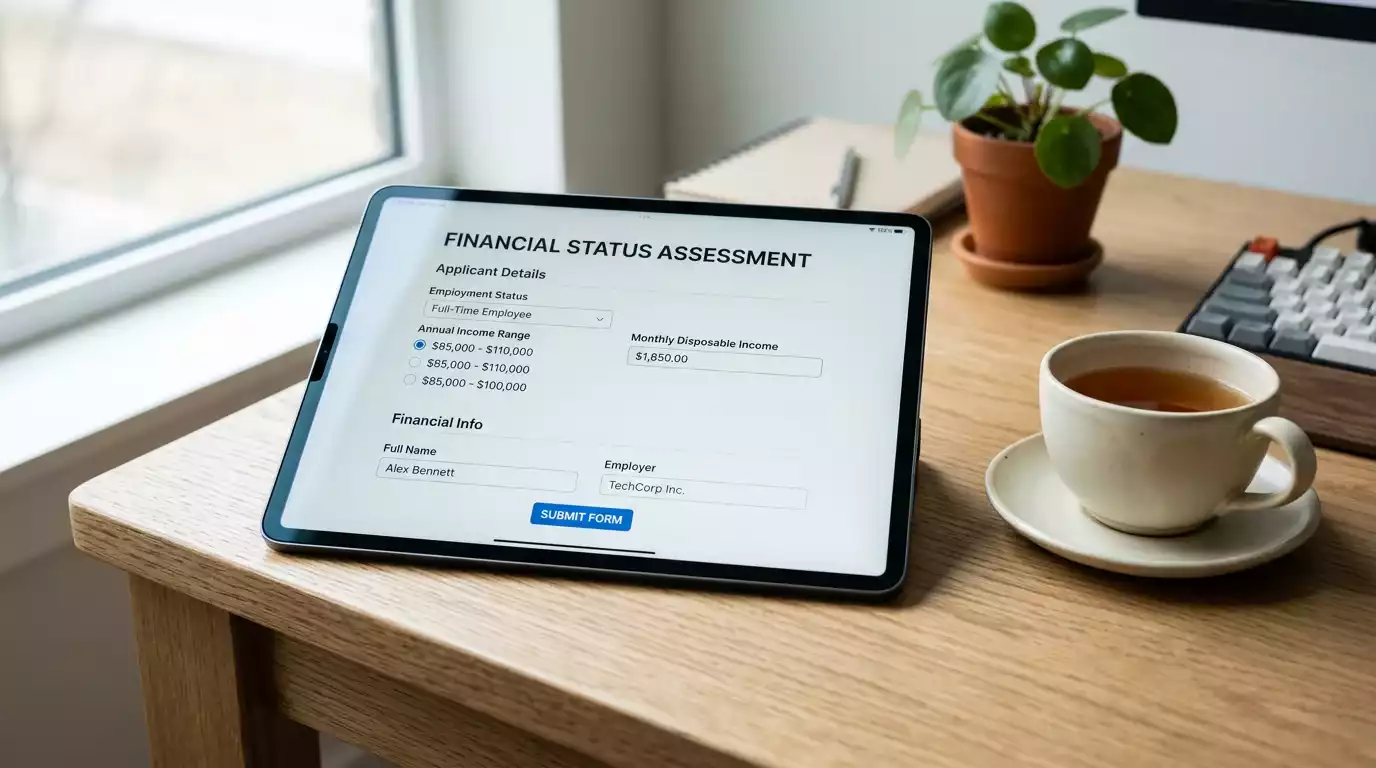
The absence of affordability checks at offshore casinos is not a feature. It is a regulatory gap that shifts the entire burden of responsible spending onto the player, with no institutional backstop. In a market where online slot stake limits now cap bets at £5 per spin for over-25s and £2 for 18-24 year olds at UKGC sites, the contrast with offshore operators — where no stake limits, no affordability checks, and no deposit thresholds apply — becomes starker with each regulatory update.
The protections are real, and they only work if you gamble within the system that enforces them. Every time a player moves to an offshore operator to avoid the £150 trigger, they are opting out of the entire framework that the UK has spent three years building. That is a choice anyone can make — but it should be an informed one, not a reflexive escape from a process that takes five minutes to complete.
Can affordability checks access my bank account?
No. UKGC affordability checks do not give operators direct access to your bank account. Automated checks typically use credit reference agency data — similar to a soft credit check that does not affect your credit score. If additional verification is required, the operator may request documentation such as payslips or bank statements, but this is a manual submission you control, not an automatic data pull.
Do affordability checks apply to crypto deposits?
At UKGC-licensed operators, affordability checks apply regardless of payment method, including cryptocurrency where accepted. The £150 net deposit threshold is calculated on the total value deposited, not the method used. However, offshore casinos that accept crypto — including those licensed only in Curaçao — are not subject to UKGC affordability requirements and typically perform no financial risk assessment on any deposit method.
Our top casino picks for the UK
- x3betBonus: Welcome Pack 100% Up to £1.000 + 200 Free Spins · Payout speed: 1-3 business days
- SpinFormulaBonus: 550% Up To £15,000 + 550 FS · Payout speed: 1-3 business days
- Revery PlayBonus: 100% up to€1,000+ 100 FS · Payout speed: 1-3 business days
- AmunbetBonus: Join now and get 450% up to 2,700 GBP + 450 FS · Payout speed: 1-3 business days
- SlotoSportBonus: 500% up to £ 10 200+ 777 FS · Payout speed: 1-3 business days
- NightLuckBonus: Welcome Pack + 805% Up To 6400€ + 280 FS · Payout speed: 1-3 business days
- EvoSpinBonus: 125% up to €2500 + 125 Free Spins · Payout speed: 1-3 business days