
 Available in GB
Content

The crypto gambling market reached an estimated $81 billion in 2025, with $26 billion in digital currency bets placed in the first quarter alone. Those numbers make crypto gambling one of the fastest-growing segments in the industry — and one of the least regulated. I have spent the past three years tracking how cryptocurrency intersects with online casinos, and the picture is more nuanced than either the evangelists or the sceptics suggest.
The full assessment is in our Rouge Casino review.
How Crypto Deposits and Withdrawals Work at Offshore Casinos
The mechanics are simpler than most players expect. You hold cryptocurrency in a wallet — either a software wallet on your phone or computer, or a hardware wallet for larger amounts. The casino provides a deposit address, which is a string of characters unique to your account. You send crypto from your wallet to that address. The transaction settles on the blockchain, typically within minutes for Bitcoin and seconds for some altcoins, and your casino balance updates.
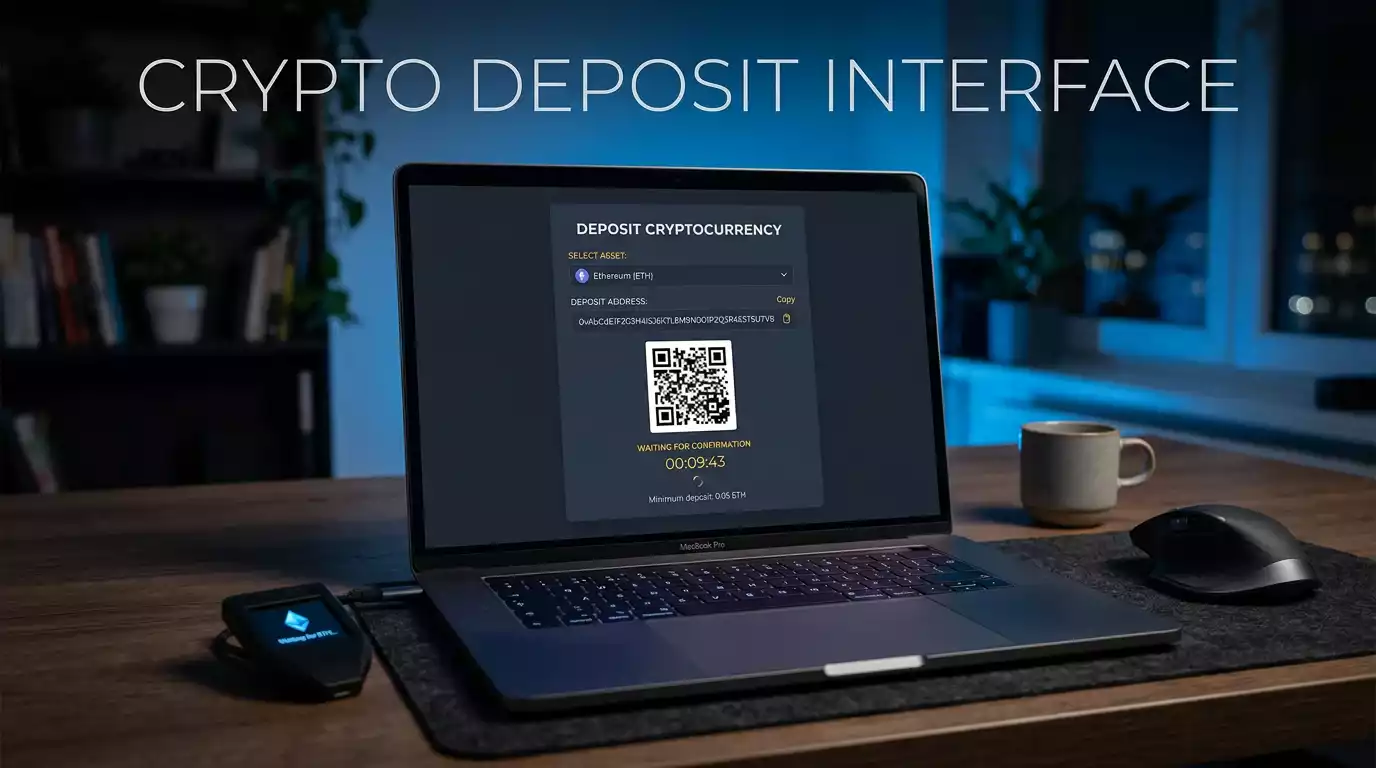
Withdrawals reverse the process. You provide your wallet address, the casino sends the crypto, and the blockchain confirms the transfer. Processing times depend on the cryptocurrency used and the casino’s internal approval workflow. Bitcoin transactions typically confirm within 10-60 minutes on the network side, but the casino’s internal processing — compliance checks, manual approvals — can add hours or days.
The critical difference from traditional payment methods is finality. A bank transfer can be reversed through chargeback processes. A card payment can be disputed. A cryptocurrency transaction, once confirmed on the blockchain, is permanent. There is no intermediary to contact, no dispute mechanism built into the protocol, no “undo” button. If you send Bitcoin to a fraudulent casino, the transaction is irreversible at the network level. Your only recourse is through the casino itself — which, at an offshore operator with no binding dispute resolution process, may mean no recourse at all.
Stablecoins vs Bitcoin: Which Dominates and Why
When I started tracking crypto gambling in 2021, Bitcoin dominated almost entirely. That has shifted. Bitcoin still accounts for roughly 66% of all crypto gambling volume, followed by Ethereum at 9% and Litecoin at 6%. But the fastest-growing segment is stablecoins — USDT and USDC — which are projected to handle over 70% of all crypto betting transactions by 2026.

The reason is volatility, or rather the absence of it. Bitcoin’s price can swing 5-10% in a day. If you deposit 0.01 BTC when Bitcoin is at £50,000 and withdraw the same amount when it is at £45,000, you have lost 10% of your money before the house edge even enters the equation. Stablecoins peg to the US dollar, eliminating exchange rate risk during the gambling session. You deposit $500 in USDT, your balance is $500, and if you withdraw $500, you get $500 worth of purchasing power back. The casino maths is the only maths you are dealing with.
For operators, stablecoins reduce accounting complexity and settlement risk. For players, they remove a variable that can turn a winning session into a losing one through no fault of the gambling itself. The shift toward stablecoins is rational for both sides — which is why the trend has been so pronounced.
Blockchain and Fraud: What the Data Shows
One claim I encounter frequently is that blockchain technology inherently makes casinos fairer. The data supports a narrower version of this: blockchain technology reduced fraud in crypto casinos by 60% compared to traditional online casinos, according to industry analysis. That figure specifically refers to payment fraud — chargebacks, stolen card use, identity-based fraud — rather than game fairness or operator integrity.
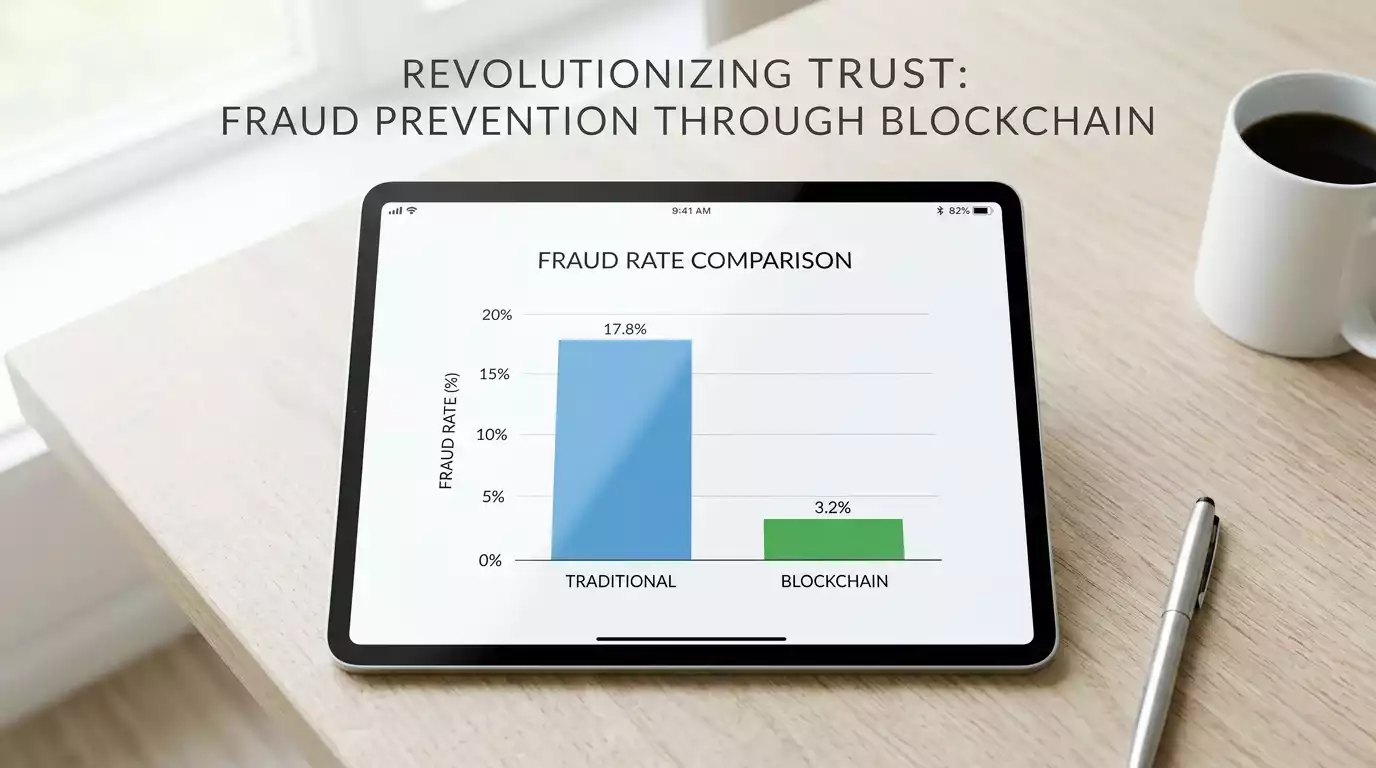
The reduction makes sense mechanically. Cryptocurrency transactions do not involve credit card numbers that can be stolen, bank accounts that can be compromised, or identity documents that can be forged for payment purposes. The transaction is cryptographic: if you control the wallet’s private key, you authorise the payment. This eliminates several common fraud vectors that plague traditional payment processing.
What blockchain does not address is operator-side fraud. A casino running manipulated games, withholding withdrawals, or displaying fake licence information can do all of these things regardless of whether it accepts Bitcoin, USDT, or British pounds. The payment technology is neutral to the operator’s intent. Some provably fair casinos use blockchain to verify game outcomes transparently, but this is a specific feature that not all crypto casinos implement — and even provably fair verification does not prevent the operator from setting exploitative terms, imposing unreasonable withdrawal caps, or closing accounts with balances.
The deposit routes on offer: the payment methods.
UK Legal Position on Crypto Gambling
The UKGC’s position is clear: any operator offering gambling services to UK consumers must hold a UKGC licence, regardless of the currency or payment method used. Crypto is not a regulatory loophole. An offshore casino accepting Bitcoin from UK players is just as unlicensed as one accepting debit card deposits — the payment method does not change the licensing requirement.

In practice, enforcement is harder with crypto. Traditional payment channels — Visa, Mastercard, bank transfers — can be blocked at the banking level. UK banks have increasingly implemented gambling transaction blocks and monitoring. Cryptocurrency bypasses these intermediaries entirely, moving directly from the player’s wallet to the operator’s address without passing through a regulated financial institution. This is one reason the UKGC has focused on URL blocking and cease-and-desist notices rather than payment interception as its primary enforcement tool against offshore operators.
Our top casino picks for the UK
- x3betBonus: Welcome Pack 100% Up to £1.000 + 200 Free Spins · Payout speed: 1-3 business days
- SpinFormulaBonus: 550% Up To £15,000 + 550 FS · Payout speed: 1-3 business days
- Revery PlayBonus: 100% up to€1,000+ 100 FS · Payout speed: 1-3 business days
- AmunbetBonus: Join now and get 450% up to 2,700 GBP + 450 FS · Payout speed: 1-3 business days
- SlotoSportBonus: 500% up to £ 10 200+ 777 FS · Payout speed: 1-3 business days
- NightLuckBonus: Welcome Pack + 805% Up To 6400€ + 280 FS · Payout speed: 1-3 business days
- EvoSpinBonus: 125% up to €2500 + 125 Free Spins · Payout speed: 1-3 business days
The Risks UKGC Licensing Would Have Covered
Every player choosing a crypto casino outside UKGC jurisdiction should understand exactly what protections are absent. There are no mandatory withdrawal processing timeframes. There is no segregation of player funds — your deposit may sit in the same wallet the operator uses for operational expenses. There is no integration with GamStop’s self-exclusion register. There are no affordability checks at any deposit threshold. There is no ADR process for dispute resolution. There is no regulatory body with enforcement power over the operator.

The Remote Gaming Duty — which rose from 21% to 40% in April 2026 for UKGC-licensed operators — funds the regulatory infrastructure that provides these protections. Offshore crypto casinos do not pay this duty, which is one reason they can offer apparently more generous bonus structures. But the generosity is funded, in part, by the absence of the compliance infrastructure that the duty supports. Julia Lensing, Managing Director of the Deutscher Online Casinoverband, put it directly: only legal operators guarantee comprehensive player protection. The currency you gamble in does not change whether the operator behind the casino has any obligation to treat you fairly.
Is crypto gambling legal in the UK?
Gambling with cryptocurrency is not specifically prohibited for UK players. However, any operator offering gambling services to UK consumers must hold a UKGC licence, regardless of payment method. Most crypto casinos targeting UK players operate offshore without UKGC licensing, making their operation unlicensed in the UK — even though the player is not committing an offence by using them.
Can you reverse a crypto casino deposit?
No. Cryptocurrency transactions are irreversible once confirmed on the blockchain. Unlike credit card payments or bank transfers, there is no chargeback mechanism, no dispute process built into the protocol, and no intermediary to contact. If you deposit crypto at a fraudulent or unresponsive casino, your only recourse is through the casino operator itself or external complaint channels — neither of which guarantees recovery.
Do crypto casinos verify player identity?
It varies widely. Some crypto casinos operate with minimal or no KYC verification, which is part of their appeal to players seeking anonymity. Others implement KYC at the withdrawal stage, requesting identity documents before processing payouts. UKGC-licensed operators are required to verify identity regardless of payment method. At offshore crypto casinos, KYC policies are set by the operator with no regulatory minimum standard.